




A Democratic takeover of Congress could bring tougher scrutiny of the cryptocurrency industry, renewed investigations, and major changes to digital asset legislation. Cody Carbone, a crypto policy advocate, has identified congressional control as a key factor for Bitcoin and the wider market.
The political stakes extend past cryptocurrency prices. Congress can investigate companies, summon executives, request records, and rewrite the rules governing digital assets. A change in leadership could also alter the path of the CLARITY Act, which seeks clearer federal oversight.
Investigations Could Return to Center Stage
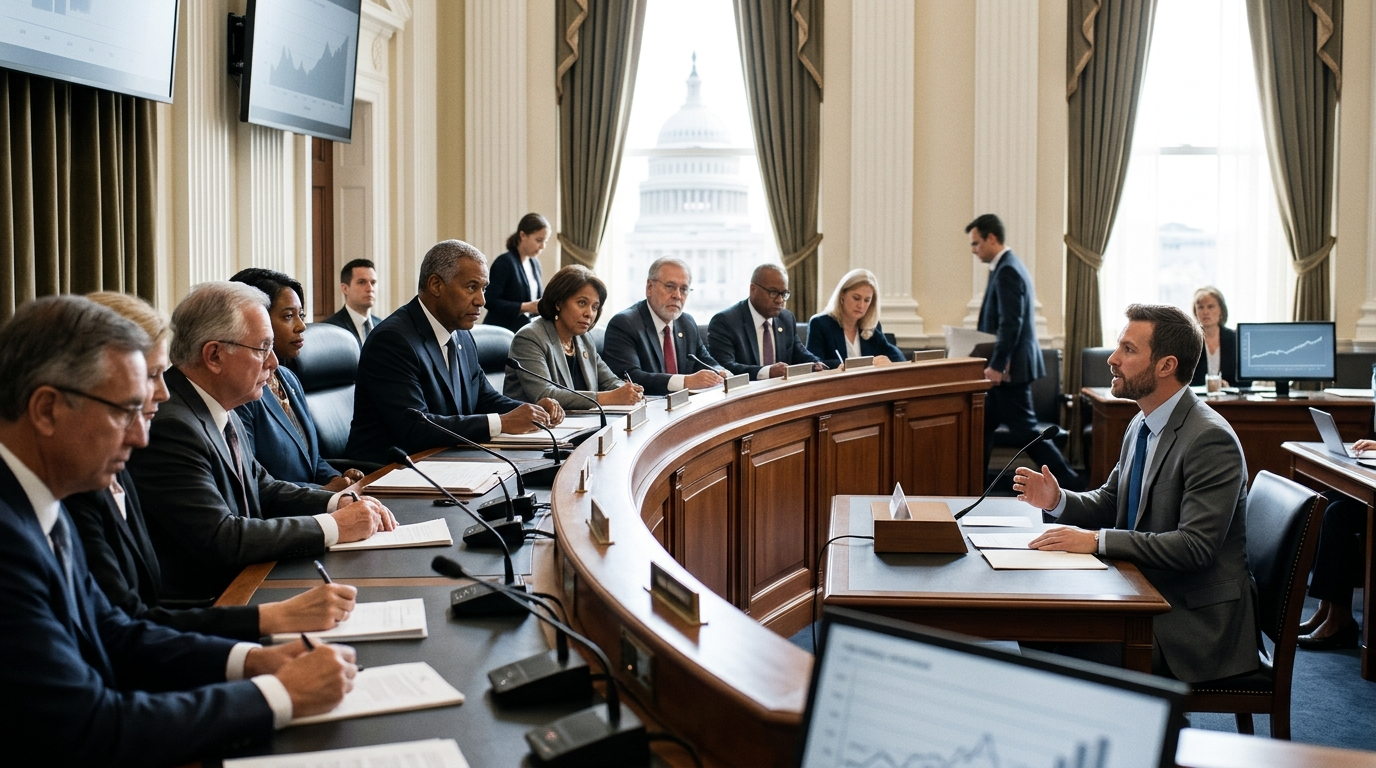
Congressional committees gain broad investigative authority when their party takes control of either chamber. Democratic leaders could use that power to examine crypto exchanges, token issuers, political donations, consumer losses, or agency enforcement decisions.
Such inquiries would not directly change the law. However, they could place pressure on companies and regulators. Public hearings may also shape future legislation by exposing weaknesses in compliance, custody, market supervision, or consumer protection.
Carbone’s analysis points to oversight as an immediate concern for the industry. The likely areas of attention include:
- Financial risks faced by retail investors
- Conflicts involving crypto firms and public officials
- Enforcement policies at federal agencies
- Rules for exchanges, brokers, and token issuers
Industry supporters may argue that aggressive investigations create uncertainty and discourage investment. Democratic lawmakers may counter that stronger supervision is needed after years of fraud allegations, bankruptcies, and investor losses across the sector.
CLARITY Act Faces an Uncertain Path
The future of the CLARITY Act could depend on which party controls congressional committees and the legislative calendar. The measure concerns the division of authority over digital assets, including the roles of federal securities and commodities regulators.
That division has long troubled crypto companies. Firms have sought clearer standards for deciding when a token is a security, commodity, or another type of asset. Regulators and consumer groups have warned that new categories should not weaken existing safeguards.



A Republican-led Congress may place greater weight on market access and limits on enforcement. Democratic control could produce stricter disclosure, custody, anti-fraud, and consumer protection provisions. Lawmakers could also delay the bill, revise it substantially, or replace it with another proposal.
The outcome would affect more than large exchanges. Smaller developers, investment firms, banks, and payment providers need to know which agency supervises their activity. Unclear jurisdiction can increase legal costs and limit product launches.
Bitcoin May Feel Indirect Effects
Bitcoin is generally viewed differently from many other digital tokens because regulators have often treated it as a commodity. Even so, congressional policy can affect the services that allow investors to buy, sell, hold, and transfer it.
New rules for exchanges, stablecoins, banking access, taxation, or custody could influence trading costs and market participation. Investigations may also affect investor confidence, especially if hearings reveal misconduct at major firms.
The market impact would depend on the details. Clear federal rules could help established companies plan and attract institutional capital. Strict requirements could also increase costs or push some activity outside the United States.
Political Control Will Shape Regulation
Carbone’s focus on congressional control reflects a wider shift in crypto policy. Digital assets have moved from a specialist issue into debates over financial stability, campaign funding, national security, and consumer rights.
A Democratic majority would not guarantee a single outcome. Party members differ on crypto, and any bill would still face negotiations, procedural barriers, and possible presidential action. Agency leaders and court decisions would remain influential as well.
For investors and businesses, the key signals will be committee leadership, early hearing schedules, and proposed changes to the CLARITY Act. Those developments will show whether Congress favors investigation, negotiation, or a broad rewrite of digital asset rules.
The central takeaway is that an election could change both the tone and substance of federal crypto policy. Bitcoin may remain legally distinct from many tokens, but the market around it will still depend on decisions made in Washington.