




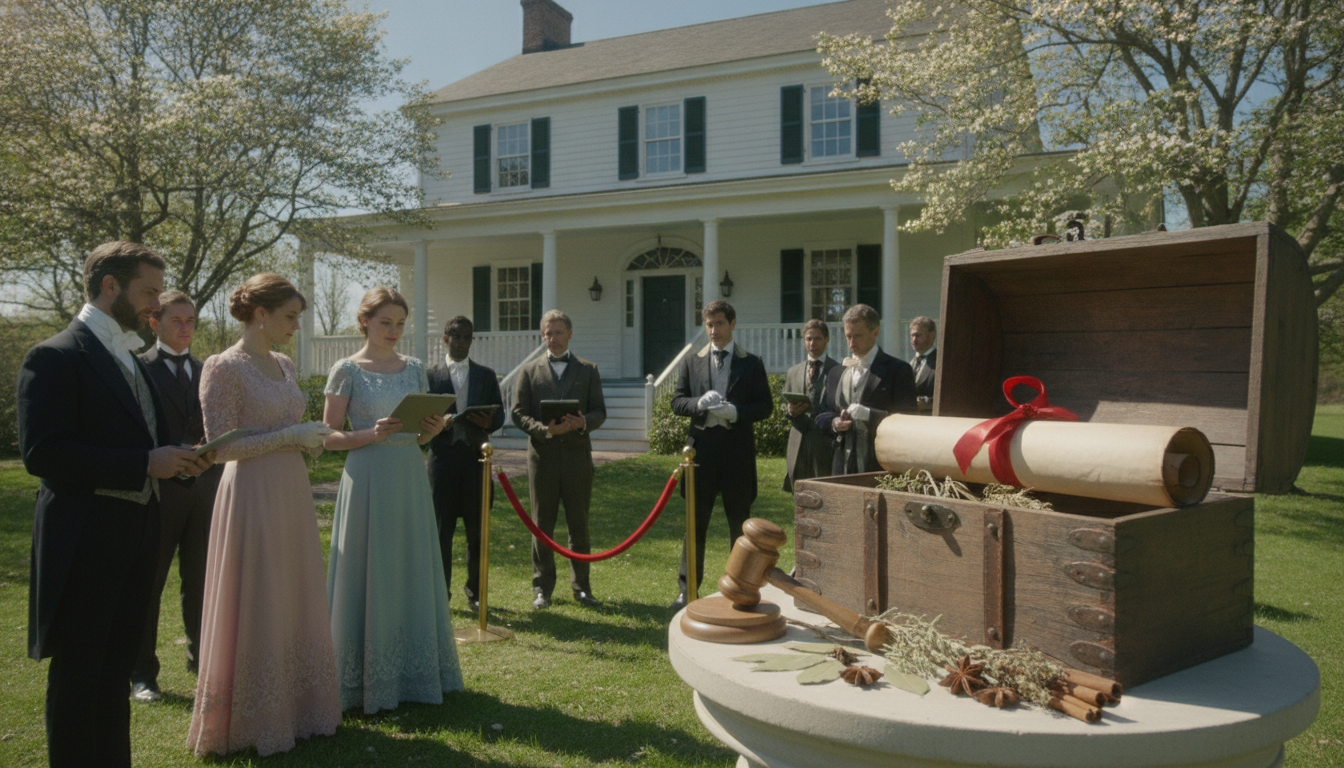
Bidding opens today on an unusual pairing that blends real estate with culinary lore. An auction is offering the Colonel’s residence and a list said to detail the famous 11 herbs and spices, sparking questions about authenticity, ownership, and value. The sale, announced for today, draws interest from collectors, food historians, and brand watchers who see both heritage and risk in the listing.
Bidding begins today for the Colonel’s residence and a list of 11 herbs and spices.
The Colonel’s name is widely linked to Colonel Harland Sanders, the fast-food founder whose image and recipe became global icons. The auction raises immediate questions about whether the recipe is genuine and whether a private seller can transfer rights or even display such a list without legal pushback.
What Is On Offer
The property is described as the Colonel’s residence, a draw for fans of American food history and mid-century memorabilia. The second item, a list of the 11 herbs and spices, is the headline attraction. The phrase is central to the brand’s identity and has long been marketed as a trade secret, kept under tight security and known to very few.
The auction announcement does not clarify provenance, chain of custody, or any expert verification of the list. In high-value memorabilia sales, such details are often decisive for bidders. Without public documentation, collectors tend to price in uncertainty.
The Mystery Around the Recipe
For decades, the recipe’s secrecy has fueled global interest. Past claims of discovery have surfaced from time to time, but the brand has repeatedly stressed that the exact mix is confidential. Trade secrets live and die on secrecy. Once disclosed, they can lose protection, which makes the handling of any list critical.
Food historians say the intrigue adds cultural value even when hard proof is thin. The power of the story, and the link to an American business figure, can lift prices for related items. Yet a recipe without verifiable origin may be valued more as a conversation piece than as a working formula.
Legal and Brand Questions
Intellectual property lawyers point to two key issues. First, does the document contain proprietary information that could still be protected as a trade secret. Second, would public sale or display infringe on any rights or trigger legal action. Trade secret law differs from patents or copyrights, since it relies on confidentiality and reasonable steps to keep the secret secure.
A buyer may acquire paper, but not the right to use or commercialize the contents. If the brand challenges the authenticity or claims misappropriation, litigation could follow. That risk often dampens aggressive bidding unless the seller provides strong evidence of lawful ownership and provenance.



Value Drivers and Risks
Collectors of brand history often prize items tied directly to founders, such as letters, personal effects, or property. A residence tied to the Colonel could attract interest based on architectural merit and cultural ties alone, independent of any recipe claim.
Pricing will likely depend on three factors. Authenticity of the list, legal clarity on ownership and display, and the cultural weight of the Colonel’s legacy. If any of these are uncertain, buyers may proceed with caution or make bids contingent on third-party review.
- Provenance and expert verification
- Any legal claims or restrictions
- Independent historical documentation
What Collectors and Fans Are Watching
Potential bidders will look for supporting documents, expert testimony, or brand statements that speak to the list’s origin. Appraisers may examine ink, paper, and handwriting to date the document. Historians could compare ingredients against known accounts from former associates to spot consistencies or red flags.
If the seller releases more detail, interest could rise. If not, the property may be the safer asset. Homes tied to cultural figures often retain value due to tourism potential and media interest, even if a high-profile artifact fails to check out.
Today’s opening bids set the tone for how the market weighs sentiment against uncertainty. The final price, if the sale closes, will hint at how much value collectors place on story and myth when proof is thin. The outcome will also signal whether brands intend to contest such listings more forcefully in the future.
As bidding starts, the key takeaways are clear. Proof will drive price, and legal clarity will frame the buyer’s options. Watch for any authentication reports, brand responses, or changes to the catalog notes. Those details will shape the sale’s result and the afterlife of both the house and the much-debated list of 11 herbs and spices.