




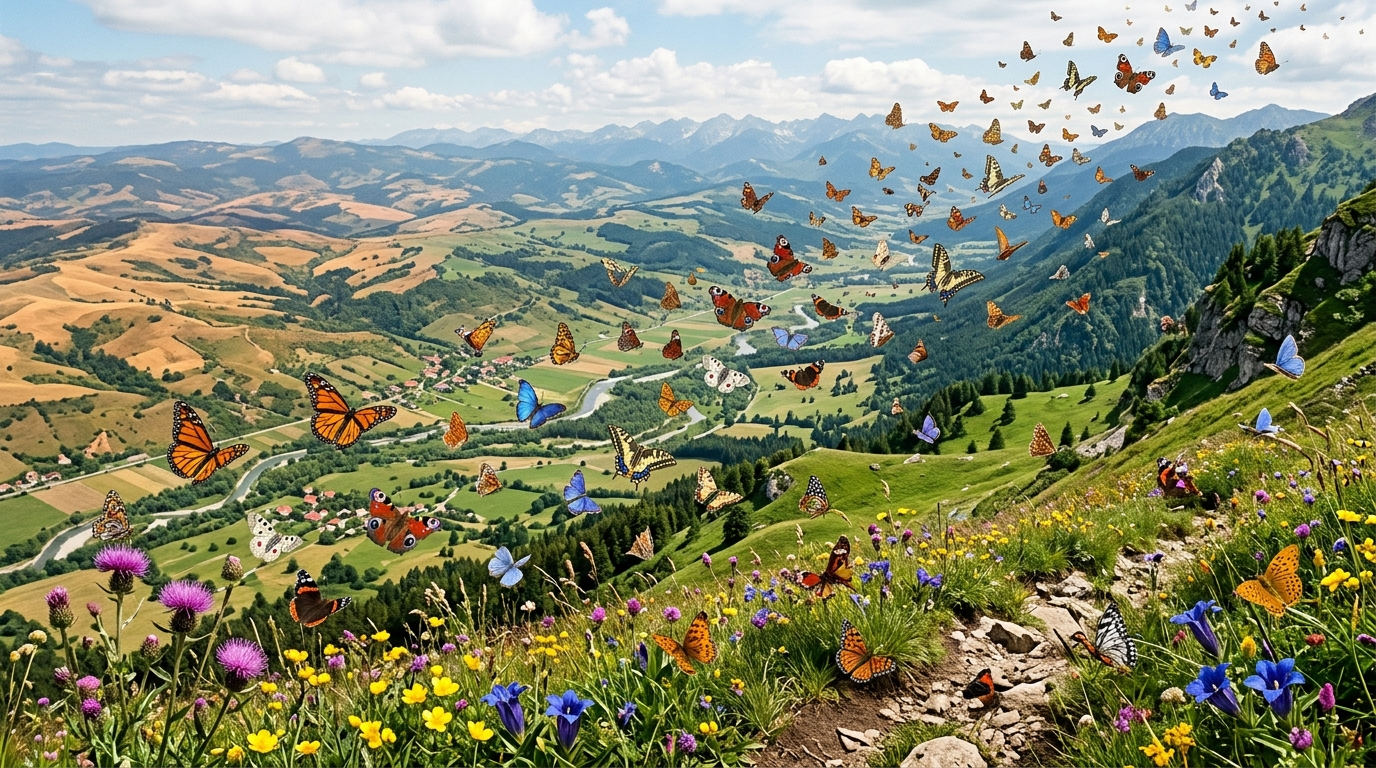
Native butterflies are moving into new areas across at least 32 countries, a recent study found, adding to concerns about rapid environmental change. In each country, at least one-quarter of native butterfly species had shifted their geographic range.
The finding points to a broad pattern rather than an isolated local event. It also raises urgent questions about whether butterflies, plants and other wildlife can adjust at the same speed.
A Widespread Movement of Species
The study’s central result offers a striking measure of ecological movement:
“In 32 of the countries included in a recent study, at least a quarter of the native butterfly species had moved to new areas.”
The available finding does not identify the countries, the study period or the distance traveled. It also does not say whether species expanded their ranges, abandoned former habitats or did both.
Those details matter. A species can appear in a new location while declining elsewhere. Range movement alone does not show whether its total population is growing or shrinking.
Still, the shared pattern across 32 countries suggests that butterfly communities are being reorganized on a wide geographic scale. The threshold is also substantial. At least 25% of native species moved into new areas in every country cited.
Why Butterflies Move
Butterflies depend on specific temperatures, seasonal conditions and plants. Adults need suitable flowers for nectar. Caterpillars often rely on a limited group of host plants for food.
Changes in temperature, rainfall and land use can make old habitats less suitable. Species may then spread north, move to higher elevations or settle in nearby areas with better conditions.


Habitat loss can create a different pattern. Farming, construction, fires and pesticide use may push butterflies from established sites. Roads and developed land can also block movement between remaining habitats.
The reported shifts could reflect several pressures acting together. Without species-level and country-level data, no single cause can explain every move.
New Ranges Bring New Risks
Movement can help some butterflies survive changing conditions. Yet reaching a new area does not guarantee long-term survival.
- Required host plants may be missing.
- Seasonal timing may not match local flowering periods.
- Small populations may remain vulnerable to extreme weather.
- Fragmented habitats may prevent further movement.
These shifts may also affect ecosystems. Butterflies pollinate plants and provide food for birds, spiders and other animals. Their arrival or disappearance can alter local food chains.
There may be winners and losers. Flexible species could occupy larger areas, while butterflies with narrow habitat needs may struggle. Mountain and island species face added limits because they may have little suitable territory left.
What Researchers Need to Track
Long-term monitoring will be needed to separate temporary sightings from lasting range changes. Scientists must compare present records with historical observations and account for differences in survey effort.
Future reporting should also show whether butterflies remain in their former locations. Population counts, breeding evidence and host-plant data would help reveal whether movement signals recovery, adaptation or decline.
The finding from 32 countries delivers a clear warning: butterfly distribution is no longer fixed. The next test is whether protected habitats and connected migration routes can keep pace with that movement. Researchers and conservation agencies will need detailed local data to identify which species are adapting and which are being left with nowhere suitable to go.