


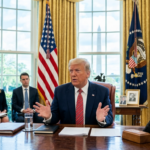


CNN will not travel with President Donald Trump on a Saturday trip to Tennessee, despite a court order restoring its White House access two days earlier. The decision also affected two other news organizations and renewed questions about press access, legal authority, and public oversight.
The available information does not identify the other outlets or explain the purpose of the Tennessee visit. It also does not state why CNN remained excluded after Thursday’s ruling.
Court Order Restores White House Access
Trump had barred CNN and two other news organizations from the White House. A court order issued Thursday restored their access, creating an apparent conflict between the ruling and the travel decision.
The distinction may depend on the order’s exact terms. Access to White House grounds and briefings is not always the same as a place in the traveling press group. Court orders can also differ in scope, covering credentials without addressing transportation or specific presidential events.
However, excluding an outlet shortly after its access was restored could prompt further legal scrutiny. The central issue is whether the Saturday restriction falls outside the order or weakens its practical effect.
Why Presidential Travel Access Matters
Presidential trips are covered by a rotating group of journalists known as the press pool. These reporters observe the president’s public appearances and provide reports to news organizations that cannot attend.
Space and security needs can limit the number of journalists traveling near a president. Yet decisions based on an outlet’s reporting or editorial position can raise constitutional concerns.
Courts have previously examined whether government officials may revoke or deny press credentials without clear procedures. Such disputes often center on the First Amendment and due process, including whether an affected outlet received notice and a fair chance to respond.



The immediate questions include:
- Whether CNN was denied transportation, event access, or both.
- Whether the two other organizations also remained excluded.
- Whether Thursday’s court order applies to presidential travel.
- What reason the White House gave for the restrictions.
Competing Press and Security Concerns
The White House has authority to manage security, capacity, and logistics around presidential movements. Those duties can require limits on attendance, especially during travel.
News organizations, however, have a public-interest role in independently documenting presidential actions. Equal treatment matters because officials should not use access rules to reward favorable coverage or punish critical reporting.
No stated explanation establishes whether Saturday’s decision was logistical, security-related, or editorially motivated. That missing information makes it difficult to judge the restriction’s legality or practical impact.
What Comes Next
CNN could seek clarification from the White House or return to court if it believes the exclusion violates Thursday’s order. The court may then need to define whether restored access includes travel and off-site events.
The dispute’s broader importance reaches outside one network or one trip. Rules created in this case could shape how future administrations control access to presidential events.
For now, the key facts remain in tension: a court restored access on Thursday, but CNN was still unable to join Saturday’s Tennessee trip. The White House’s explanation and the wording of the order will determine whether that tension becomes another court fight.