



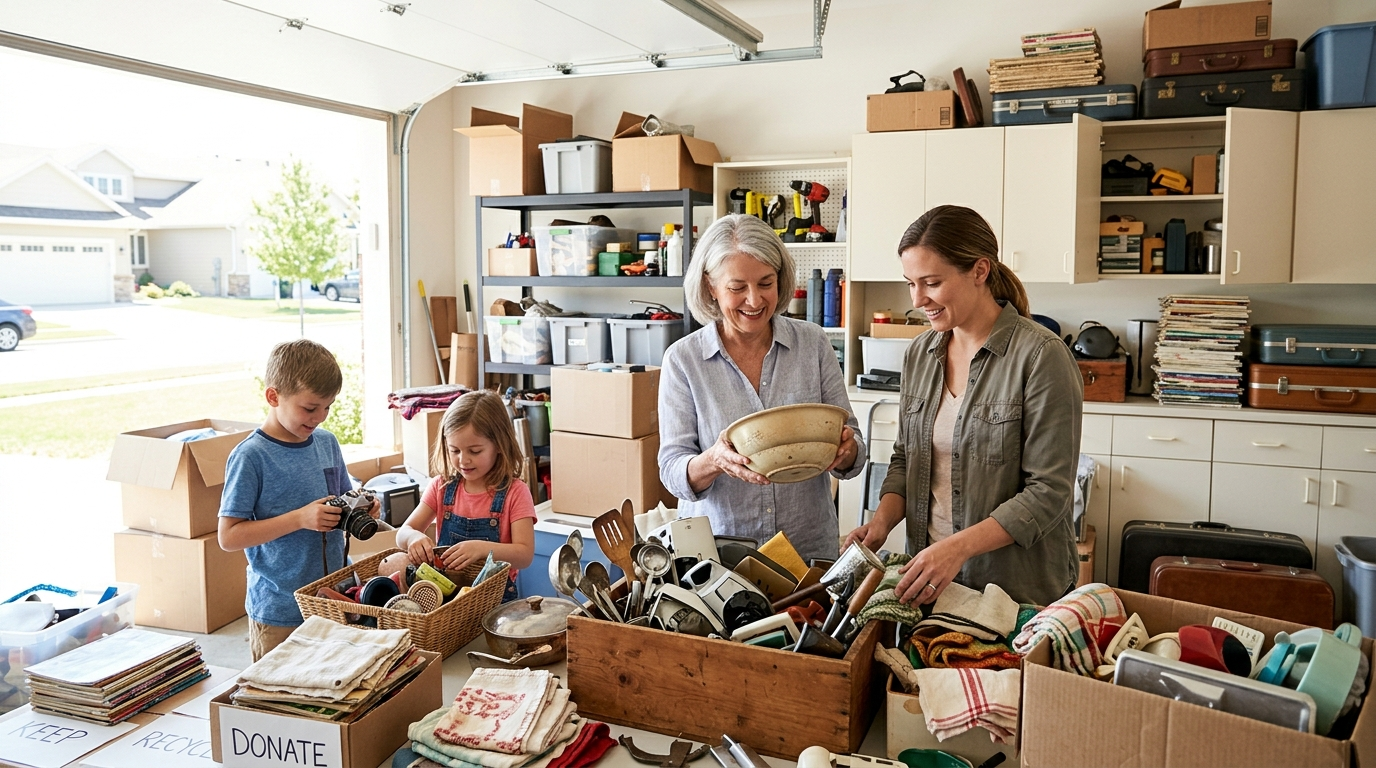
Closets, drawers, garages, and kitchens have quietly become storage zones for household items saved on one stubborn promise: they may be useful someday.
Wealth Gang has highlighted 15 familiar things that families kept for years “just in case.” The premise taps into a common household debate about usefulness, waste, and the emotional cost of letting go.
The exact objects may vary among families. Yet the habit follows a familiar script. One person sees clutter, while another sees spare parts, future savings, or insurance against an oddly specific emergency.
Why Ordinary Objects Survive for Decades
Most saved items begin with a practical reason. Containers can be reused. Old tools may still work. Spare materials could help with a repair. Kitchen items may be needed for a large gathering.
Over time, however, practical value can become harder to measure. An object may remain untouched for years while taking up space that a household needs now.
These familiar things stayed in “closets, drawers, garages, and kitchens for decades” because someone believed they might prove useful.
That belief can be persuasive because discarding an item feels final. Keeping it postpones the decision. The object survives, and the household avoids the small sting of possible regret.
Family history can also shape saving habits. People who experienced shortages or tight budgets may treat reusable goods with care. Younger relatives may instead value open space and easier organization.
Four Rooms, Four Types of Clutter
The locations identified by Wealth Gang point to different household pressures:



- Closets often hold clothing, linens, bags, and sentimental belongings.
- Drawers collect small objects that lack a permanent home.
- Garages store tools, repair supplies, and unfinished projects.
- Kitchens keep containers, utensils, and rarely used equipment.
These spaces make saved items easy to overlook. A drawer can close. A garage door can hide a crowded workbench. The clutter stays out of sight until a move, renovation, or cleanup forces a decision.
The phrase just in case also gives an object a future role without setting a deadline. Someday never appears on a calendar, which is excellent news for the lonely lid with no matching container.
The Tension Between Thrift and Space
Keeping useful goods can reduce waste and prevent repeat purchases. A spare item that solves a real problem may justify years of storage in a single afternoon.
Yet storage carries a cost. Crowded rooms are harder to clean and organize. Family members may buy replacements because they cannot find what they already own.
A balanced approach does not require throwing away everything old. Households can ask whether an item works, whether anyone has used it recently, and whether a clear future need exists.
Donation, recycling, repair, and responsible disposal can offer alternatives to endless storage. Sentimental items may deserve separate treatment because their value is personal rather than practical.
The larger issue is not simply clutter. It is how families weigh memory, thrift, preparedness, and limited space. The 15-item theme works because many readers know the argument before seeing the list.
As households reassess long-held belongings, the best test may be simple: usefulness should have evidence, not just a decades-old alibi. The next cleanup could reveal whether “someday” has finally arrived.