




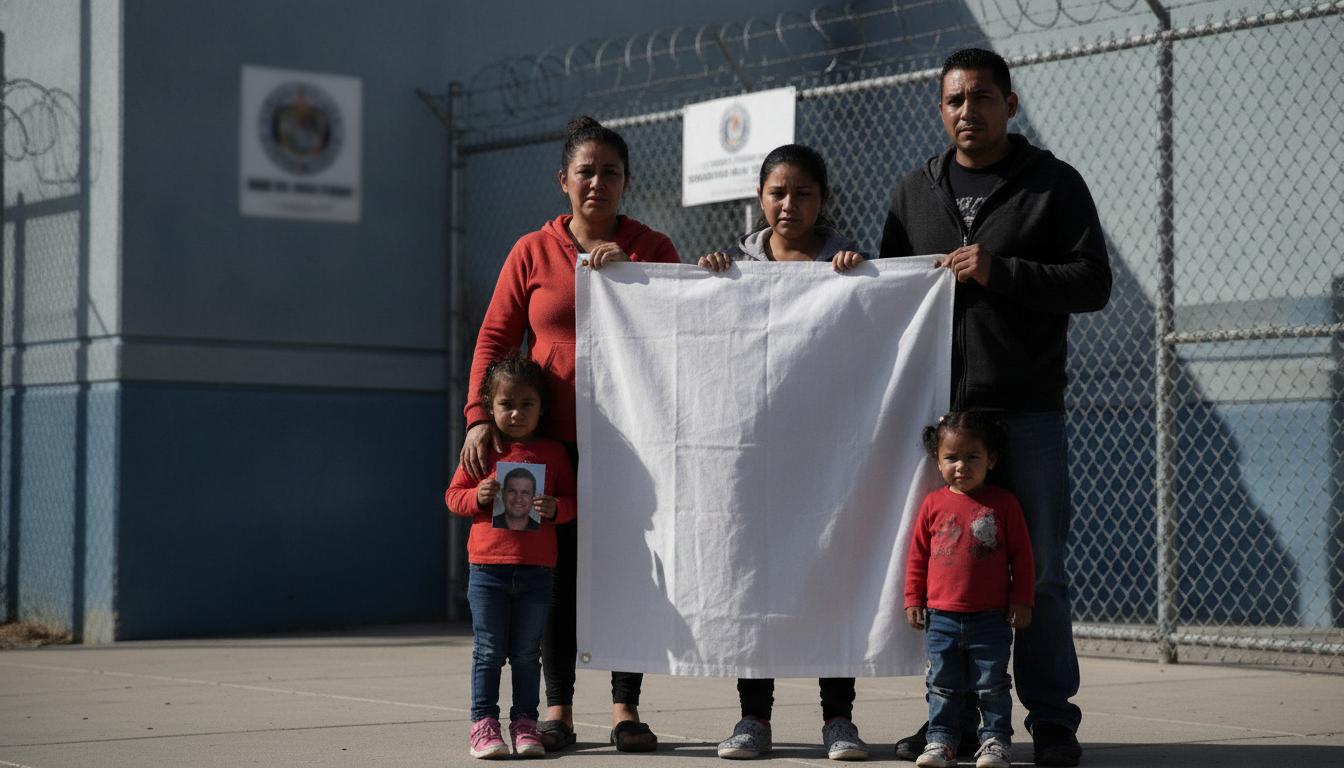
The death of immigration detainee Edwin Lopez-Cornejo has drawn sharp questions over medical care in federal custody, as his family urges an independent investigation into what happened and why. Immigration and Customs Enforcement said Lopez-Cornejo suffered a “medical emergency,” while relatives argue his known conditions were not managed properly.
Lopez-Cornejo died after falling ill in detention, according to ICE. His family, who had flagged his medical needs, believes treatment fell short. They want answers about when staff recognized distress, what interventions followed, and whether earlier care could have changed the outcome.
Conflicting Accounts Emerge
ICE stated Edwin Lopez-Cornejo suffered a “medical emergency” while the family says he wasn’t properly treated to keep his medical conditions under control and called for an investigation.
The agency’s statement was brief, describing an acute event. Family members point to longer-running concerns over his health management. They have asked for medical records, incident timelines, and video from the facility. They also want a transparent review by an outside authority, not only an internal agency report.
Standards and Oversight
Medical care in immigration detention is guided by federal standards that require screening, chronic care plans, and access to emergency services. ICE facilities are expected to follow the Performance-Based National Detention Standards, which set rules for timely assessments, medication, and hospital transfers when needed.
When a detainee dies in custody, ICE typically conducts a mortality review. The findings are to examine clinical decisions, response times, and communication among staff. In past years, federal watchdogs have faulted some facilities for delayed responses, incomplete documentation, and poor follow-up for chronic conditions. Advocates say those patterns can heighten risk for detainees with diabetes, heart disease, or other long-term illnesses.
Legal experts note that a credible review should include interviews with staff and detained witnesses, a full audit of prescriptions and vital signs, and a clear account of the minutes leading up to the emergency. Families often seek those records to assess whether standards were followed.
Calls for Transparency
Relatives of Lopez-Cornejo say transparency is essential to restore trust. They want to know whether he had consistent access to his medications and specialist evaluations, if needed. They also seek details on staffing levels and the timing of the 911 call.
- Release of complete medical charts and logs.
- Disclosure of emergency response timelines.
- Independent medical review by outside clinicians.
Civil rights groups have echoed the call, urging publication of the mortality review and any corrective actions. They argue that public reporting can help prevent similar incidents by identifying gaps in training, equipment, or protocols.



Industry and Community Impact
The case adds pressure on detention operators and local governments that hold ICE contracts. Medical vendors inside facilities face scrutiny over staffing models, access to off-site care, and the handling of chronic conditions. Counties that lease space for detention, in turn, can face community backlash and demands for stricter oversight clauses.
Public health specialists warn that detention settings can complicate care. Language barriers, transfer between facilities, and limited clinic hours can interrupt treatment plans. Consistent monitoring of blood pressure, blood sugar, and other markers is key for patients at higher risk.
What Comes Next
ICE is expected to release more information once next of kin notifications and initial reviews are complete. Advocates want an independent inquiry, which could involve state health authorities, a medical examiner, or a federal inspector general. Lawmakers may also request briefings to examine compliance with federal standards.
Policy analysts say reforms that could reduce risk include faster specialty referrals, clearer thresholds for hospital transfers, and stronger auditing of chronic care. Training for correctional and medical staff on early warning signs is also a frequent recommendation.
Lopez-Cornejo’s death has become a rallying point for those seeking safer conditions in custody. The family’s demand is simple, they say: a full account of what happened and steps to keep others safe.
The case now turns on records, timelines, and expert review. If investigators find missed chances to intervene, the outcome could shape facility contracts, internal training, and public expectations. If standards were met, public reporting could still inform future care. Either way, the response will signal how the system values life and accountability inside detention.