




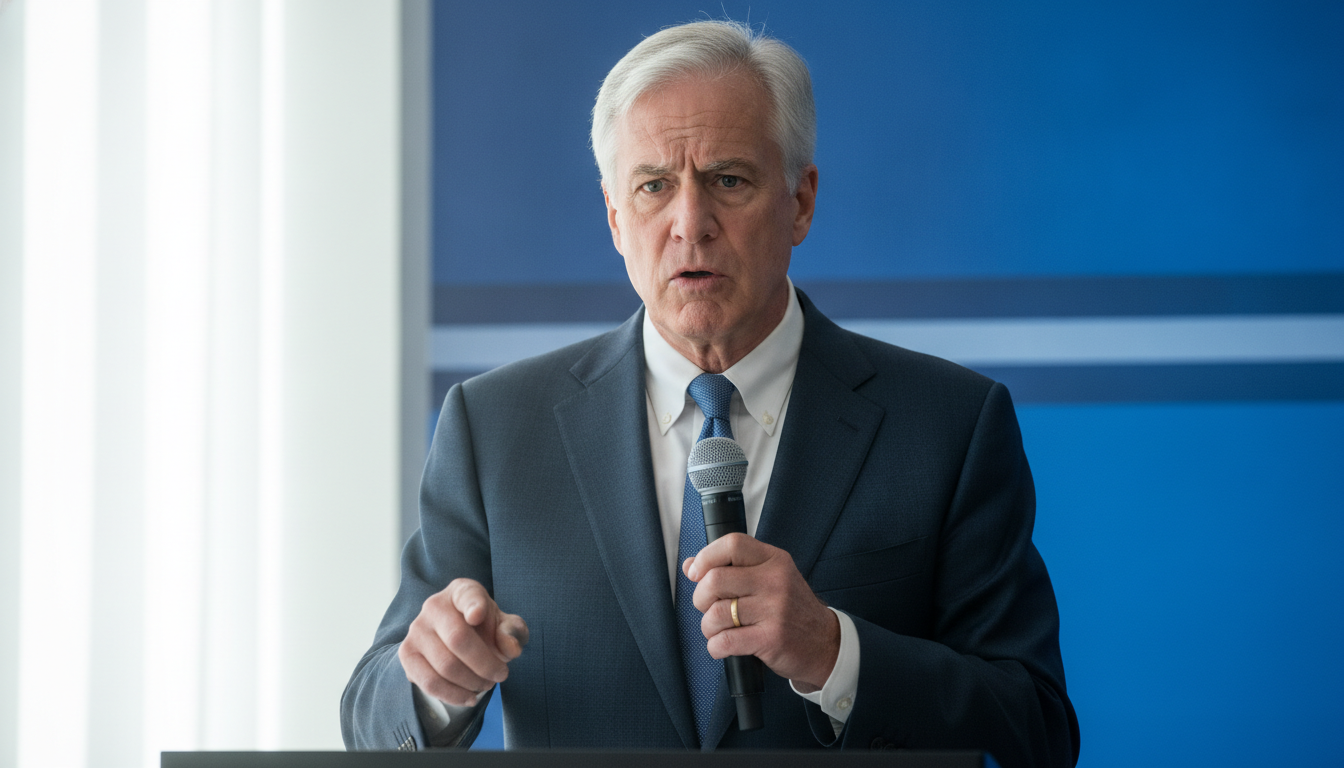
A brief but sharp comment from John Gannon has raised questions about how the United States handled a recent situation. His words suggest surprise, even disbelief, at a choice made by U.S. authorities. The remark hints at a break from expectations, and it invites scrutiny about standards, trust, and accountability.
The speaker did not describe the event in detail. Still, the sentiment was clear. When someone says they did not think the United States would act in a certain way, it signals a gap between what was expected and what occurred. That gap is now the story.
“I would never have thought the United States would act this way,” John Gannon said
The Quote And Its Weight
The line is short, but it carries force. It suggests that the action in question defied common assumptions about U.S. behavior. Those assumptions might relate to process, transparency, or long-held norms. Without naming the issue, the statement still sets a firm tone of disappointment.
Public figures tend to measure their words. A sentence this blunt is meant to be heard. It places the burden back on decision-makers to explain what happened and why it was justified. It also invites others to compare the action with stated values.
Reading Between The Lines
Gannon’s comment sits at the tension point between ideals and practice. The United States often speaks about rules, fairness, and restraint. When an action surprises observers, it implies that one of those pillars may have wobbled. That is why an unsparing line can resonate, even with limited detail.
Different audiences will draw different lessons. Critics may view the episode as part of a broader pattern. Supporters may argue there were urgent reasons that are not yet public. Others may simply ask for clarity. The common thread is a demand for a plain explanation.
- What principle guided the decision
- Who approved it and under what authority
- What alternatives were considered
- How the outcome aligns with stated values
Why Such Reactions Matter
Trust is built on expectations. Governments publish rules to make those expectations clear. When actions surprise even seasoned observers, faith in the process can weaken. That has costs, at home and abroad. Allies become cautious. Critics gain an audience. The public asks tougher questions.
This is not new. History shows that sudden moves, even if legal, can carry reputational risk. The United States often tries to balance necessity with principle. The balance is hardest to defend when the reasons are unclear. Gannon’s words sit in that space, pressing for daylight.



Competing Interpretations And Possible Implications
There are several ways to read the moment. One view is that process broke down. Another is that norms were intact, but the facts forced a hard call. A third is that communication failed, making a defensible step look careless. Each path points to a different fix.
If the issue is process, expect calls for oversight, audits, or new rules. If the facts were urgent, officials may release more information to show necessity. If messaging was the problem, an apology or clarification could calm the waters. None of these responses come easy. Each requires ownership, which is why a stark quote can move the needle.
What Observers Will Watch Next
People will look for a timeline, evidence, and a clear chain of command. They will also listen for independent voices who can review the record. Transparency can steady nerves. Silence can deepen doubt.
Gannon’s statement, plain and pointed, will likely echo until answers arrive. It places attention not only on the single act, but on the standards that guide future choices. How leaders respond now will shape whether the surprise becomes a lasting scar, or a prompt for course correction.
For now, the takeaway is simple. A trusted voice said the quiet part out loud: the United States acted in a way that did not match expectations. The next step is disclosure and, if needed, repair. Watch for a factual account, a public rationale, and a plan to prevent repeats. That is how trust gets rebuilt, one careful decision at a time.