


JL Mag Rare Earth Co. reported a sharp first-half profit increase as demand for its magnets grew across electric vehicles and robotics.
The company, described as the world’s largest producer of magnets made from critical minerals, said booming sales drove the result. The gain points to rising demand for materials that help power motors, industrial machines, and automated systems.
The company did not provide profit figures, sales totals, or growth rates in its statement. It also did not detail how much revenue came from each market. Still, the update offers a clear sign that electric transport and automation are supporting magnet producers.
Electric Vehicles Drive Magnet Sales
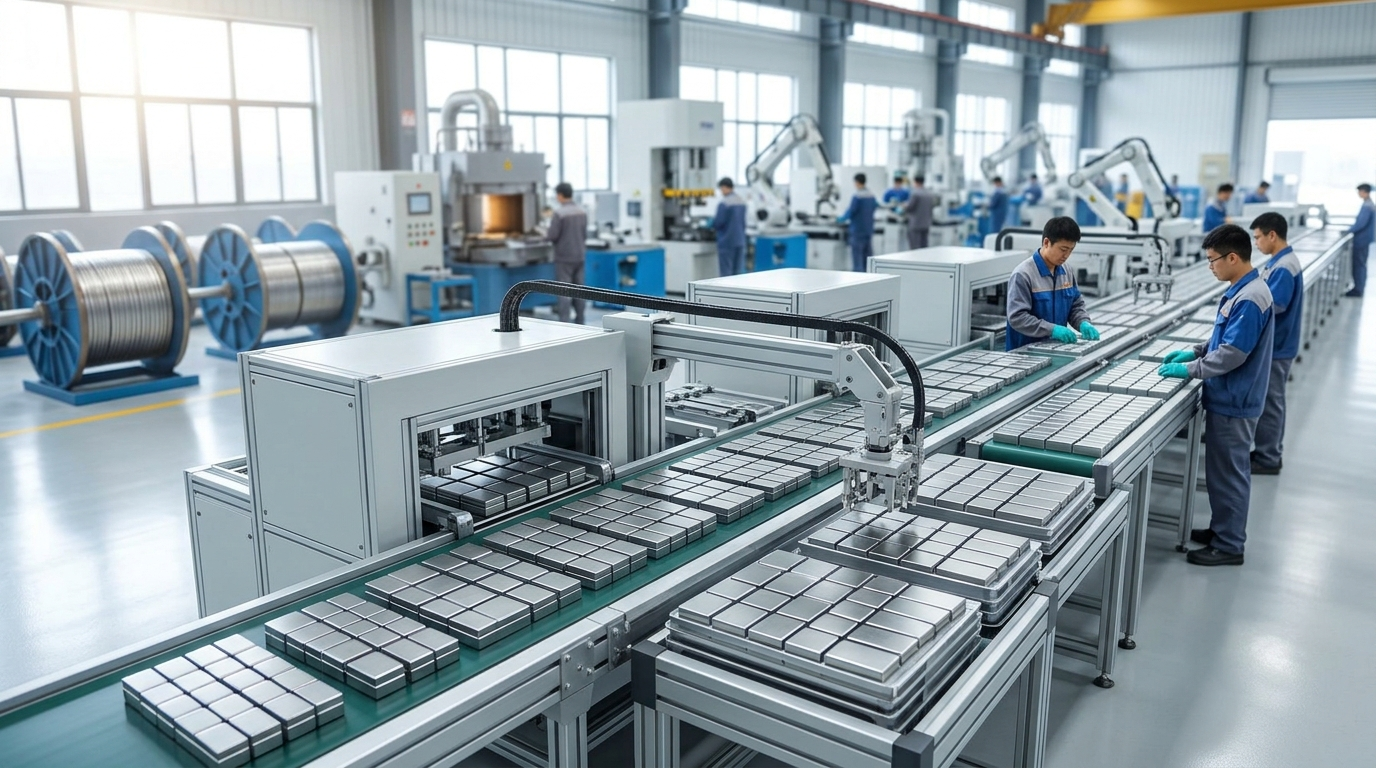
Permanent magnets are widely used in electric motors because they can deliver high power without adding excessive weight. That makes them valuable to electric vehicle manufacturers seeking longer range and better efficiency.
Each increase in electric vehicle production can create added demand across the mineral supply chain. That chain includes mining, processing, magnet manufacturing, and final assembly into motors.
JL Mag’s first-half performance suggests that demand from vehicle makers remained strong enough to lift earnings. However, the company did not identify customers or report shipment volumes.
The result also reflects the strategic value of rare-earth permanent magnets. These products depend on critical minerals that can be difficult and costly to process at scale.
Robotics Adds a Second Growth Market
Robotics provided another source of sales growth, according to the company. Robots often require compact, precise motors for movement, balance, and automated handling.



Demand may come from several types of machines:
- Industrial robots used in factories and warehouses
- Automated systems for moving and sorting goods
- Advanced robots designed for complex physical tasks
This gives magnet producers exposure to more than the vehicle industry. It may also reduce reliance on a single market if robotics adoption continues across manufacturing and logistics.
Yet robotics remains a developing source of demand. Production schedules, costs, and customer adoption can shift quickly. Investors will need more detail before judging how much the sector contributed to JL Mag’s profit increase.
Critical Minerals Carry Supply Risks
Strong demand does not remove the risks tied to critical minerals. Magnet makers depend on reliable access to raw materials, stable processing capacity, and predictable prices.
Changes in mineral costs can affect margins even when sales rise. Trade restrictions or supply disruptions can also influence delivery schedules for manufacturers that depend on permanent magnets.
JL Mag’s scale may help it serve large growth markets, but the limited disclosure leaves several questions unanswered. The company did not explain whether higher profit came mainly from shipment growth, stronger prices, lower costs, or a mix of those factors.
Industry Growth Meets Closer Scrutiny
The earnings update may draw attention from automakers, technology companies, and governments seeking dependable supplies of critical materials. Permanent magnets have become important inputs for electrification and automation plans.
At the same time, customers may seek alternative suppliers, recycled materials, or motor designs that use fewer rare-earth minerals. Such efforts could reshape demand over a longer period.
JL Mag’s profit surge shows how electric vehicles and robotics are translating into commercial gains for a leading magnet producer. The next key indicators will be shipment volumes, market-specific revenue, mineral costs, and future orders. Those details will show whether the first-half increase reflects lasting expansion or a shorter sales cycle.