




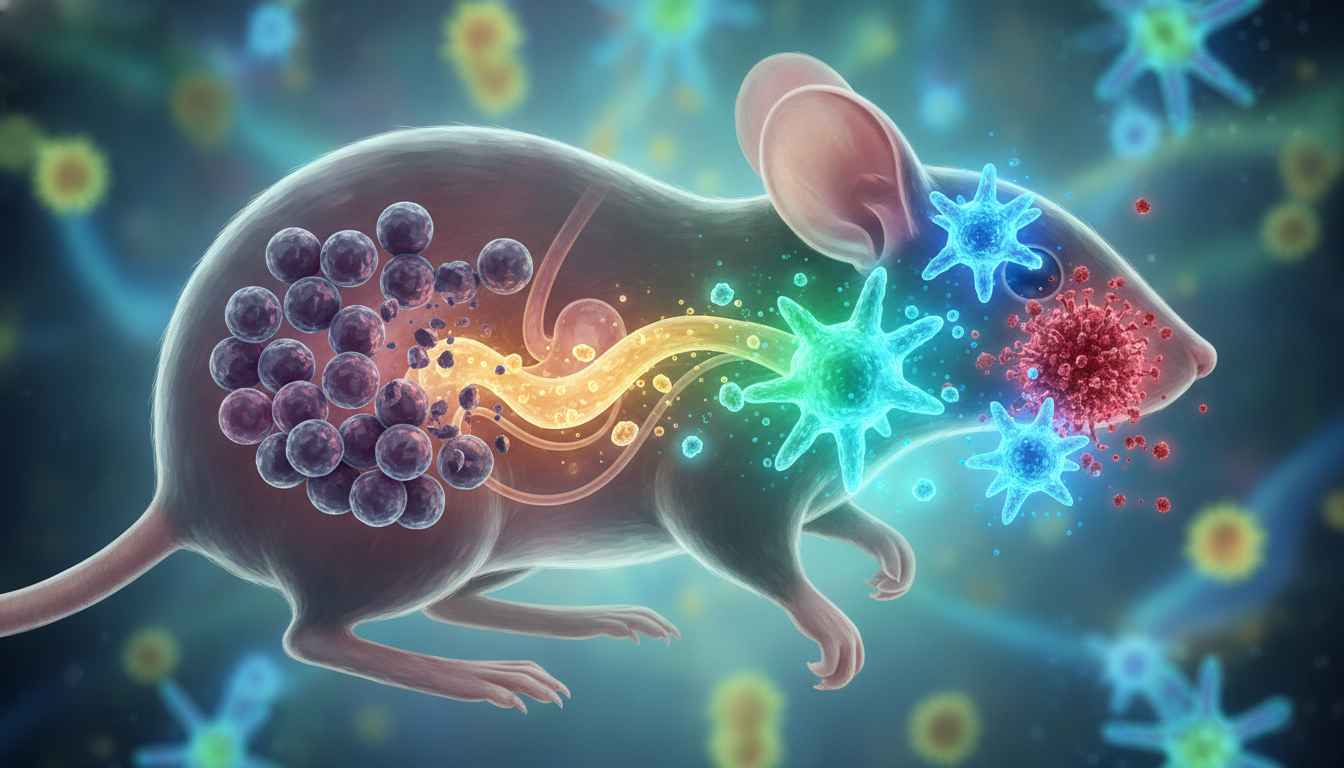
A new preclinical study reports that an amino acid found in everyday food may help the immune system fight cancer and infections in mice. Researchers say dietary arginine reduced tumor formation and lowered viral load by boosting key immune proteins. The work, conducted in mice, points to a possible path for future therapies that target metabolism to improve immune defense.
The study focused on how arginine, a semi-essential amino acid present in meat, nuts, seeds, and legumes, shapes immune responses. The team examined outcomes after increasing arginine intake in mouse models of cancer and viral infection. While the results are early, the finding could matter for immunotherapy, vaccine design, and supportive nutrition in oncology, if confirmed in people.
What The Researchers Found
“Dietary arginine reduces tumor formation and viral load in mice by boosting key immune proteins.”
According to the research team, higher arginine intake was linked with increased levels of immune proteins that control T cells and antiviral activity. The mice showed fewer or smaller tumors in cancer models. In viral infection models, the animals had less virus in their tissues. The scientists said these effects tracked with changes in immune signaling.
The report did not claim a cure. It described an immune shift that appeared to improve control of disease in lab settings. The outcome supports a growing focus on immunometabolism, in which nutrients act as signals that steer immune cell behavior.
Why Arginine Matters To Immunity
Arginine feeds into nitric oxide production, a process tied to blood flow and immune defense. It also influences enzymes that regulate T cell function. Past work has shown low arginine can blunt T cell responses. In contrast, restoring arginine can improve T cell survival and activity in laboratory studies.
Researchers have also explored drugs that block arginase, an enzyme that depletes arginine in tumors. Those efforts aim to keep more arginine available to immune cells. The new mouse data align with this line of thinking, but use diet rather than drugs to change arginine levels.
Cancer And Infection, One Immune Theme
The study joins a broader trend in cancer research that looks at the tumor microenvironment. That includes oxygen, acidity, and nutrients. Tumors often create conditions that suppress T cells. Adjusting diet or metabolism could partly reset that balance.
Viral infections involve a different threat, but they also rely on the host’s immune capacity. If arginine amplifies key immune proteins, it might help the body clear viruses faster, at least in mice. The team said this dual impact, on both cancer and infection models, suggests a shared immune mechanism.



How This Fits With Earlier Evidence
Previous mouse and cell studies have linked amino acid availability to immune strength. Glutamine, tryptophan, and serine have each been tied to T cell performance. Arginine stands out because of its connection to nitric oxide and macrophage function, as well as T cell metabolism.
Nutrition studies in humans have tested arginine-enriched formulas for surgical recovery and wound healing. Some trials reported fewer infections and shorter hospital stays, while others showed mixed results. Differences in dose, timing, and patient health may explain the range of findings.
Caveats And Next Steps
The findings are limited to animals. Mouse metabolism and immune control can differ from that of people. Nutrition in patients with cancer also involves weight loss, inflammation, and treatment side effects. These factors can change how the body handles amino acids.
Experts say several questions remain. How much arginine is needed to trigger immune gains without side effects. Which tumor types or viruses respond best. How arginine interacts with immunotherapy, chemotherapy, or antiviral drugs. Answers will require controlled human studies.
- The data come from mouse models, not clinical trials.
- Arginine sources include meat, nuts, seeds, and legumes.
- Immune gains involved higher levels of key proteins that guide T cells.
Potential Impact If Confirmed
If future trials in people echo these results, arginine could become part of supportive care. It might enhance vaccines or checkpoint inhibitors by priming T cells. It could also aid recovery during infections by helping clear virus faster. Any clinical use would need careful dosing and monitoring, since tumors can also use nutrients to grow.
For now, the study adds momentum to research on diet and immunity. It suggests that targeted nutrition may shape clinical outcomes, not just general health. The next phase will be to test arginine-rich diets or supplements in small human studies, measure immune markers, and track safety.
The bottom line is clear. In mice, dietary arginine improved control of cancer and viral infections by raising key immune proteins. Human data will decide how far this approach can go, which patients could benefit, and how it could fit with existing care. Readers should watch for early-phase trials that compare arginine-enriched plans to standard diets, as well as studies that pair nutrition with modern immunotherapy.