




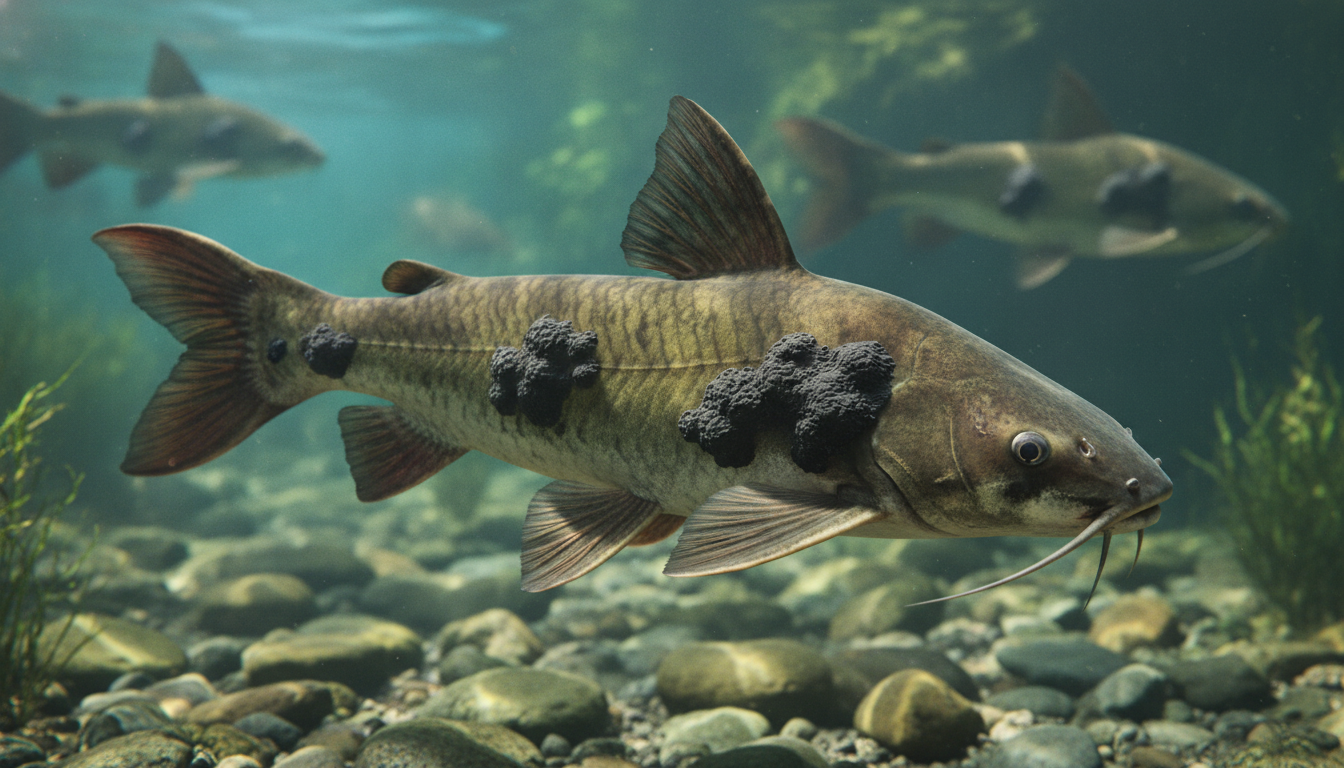
A new study in Nature reports the discovery of a transmissible melanoma in a freshwater catfish, prompting urgent questions about origin, spread, and ecological risk. Researchers say the finding highlights a rare form of cancer that can pass between individuals, a phenomenon previously seen in only a few animals. The report signals a pressing need to track the disease in wild populations and understand how it moves through aquatic habitats.
Nature – The discovery of a transmissible melanoma in a freshwater catfish raises questions about the disease’s origin, mode of transmission and broader impact on the species.
The study did not immediately identify where the cancer emerged or how far it has spread. But the pattern is concerning. Transmissible cancers can sweep through small or connected groups, especially where individuals interact closely or share limited space. In a freshwater setting, that could include rivers, lakes, and aquaculture sites.
Why This Discovery Matters
Transmissible cancers are rare in nature. The most well known examples affect Tasmanian devils, domestic dogs, and some bivalves like clams and mussels. These diseases do not rely on viruses. Instead, the cancer cells themselves move between animals and take hold as living tissue.
Melanoma is a skin cancer that can be aggressive in people and animals. Finding a melanoma that spreads between fish raises new questions about how such cells survive outside a host. It also raises concern about whether shared water, injuries, or parasites could enable transfer among fish.
Scientists say the discovery could help explain unusual tumor clusters in aquatic species. It may also change how fisheries managers and conservation teams think about disease risk in enclosed systems.
What Scientists Know So Far
The study’s core finding is clear. A freshwater catfish carries a melanoma that can pass between individuals. The rest remains open. Researchers will need genetic testing to show whether tumors in different fish share the same cell lineage. That would confirm a single cancer clone moving through a group.
Transmission routes are also under review. In other species, transmissible cancers spread through biting, mating, or filter feeding. For fish, researchers will examine direct contact, skin abrasions, and waterborne transfer of live cells.
- Origin: Did the cancer begin in one fish or in multiple places independently?
- Spread: Do currents, spawning behavior, or injuries increase risk?
- Impact: Will the disease cut survival or reproduction rates?
Comparisons and Possible Pathways
Past cases offer useful clues. The canine transmissible venereal tumor has persisted worldwide for thousands of years. Tasmanian devil facial tumor disease decimated wild populations until vaccination trials and management slowed losses. In bivalves, cancer cells can drift in seawater and infect distant beds.


Freshwater conditions differ from the ocean. Lakes and rivers can trap wildlife in limited spaces, raising contact rates. Warmer water and stress can also weaken immune defenses. If cancer cells survive for even short periods in water, transfer could occur where fish aggregate, including near spawning grounds or feeding spots.
Risks for Fisheries and Ecosystems
Catfish support local fisheries, aquaculture, and food security in many regions. A transmissible cancer could threaten production if it spreads in hatcheries or cages. It could also harm wild stocks that mix with farmed fish.
Ecologically, losing catfish can reshape food webs. Catfish often act as bottom feeders that help recycle nutrients. A decline could change water quality and the balance of species in affected waters.
Experts suggest early steps like increased monitoring, quarantine of suspect stocks, and improved biosecurity to reduce contact between groups. Clear guidance for anglers and farmers could limit spread if cases rise.
What Comes Next
Investigators will likely focus on tumor genetics, survival of free cancer cells in water, and whether other species show similar disease. Population studies can measure prevalence and track outbreaks over seasons.
Public agencies may consider targeted surveillance in high-risk sites. Aquaculture operators might adopt screening and rapid removal of symptomatic fish. Conservation groups can map habitats where transmission seems likely and protect healthy stocks.
The central questions remain open. Where did the melanoma start, how does it move, and how much damage could it cause? Answers will shape control efforts and help protect both wild and farmed fish.
The discovery widens the known range of transmissible cancers and flags a new threat for freshwater systems. Researchers will watch for similar cases, track spread, and test safeguards. The next few seasons of field data and lab work should reveal how serious the risk is and which actions work best.