




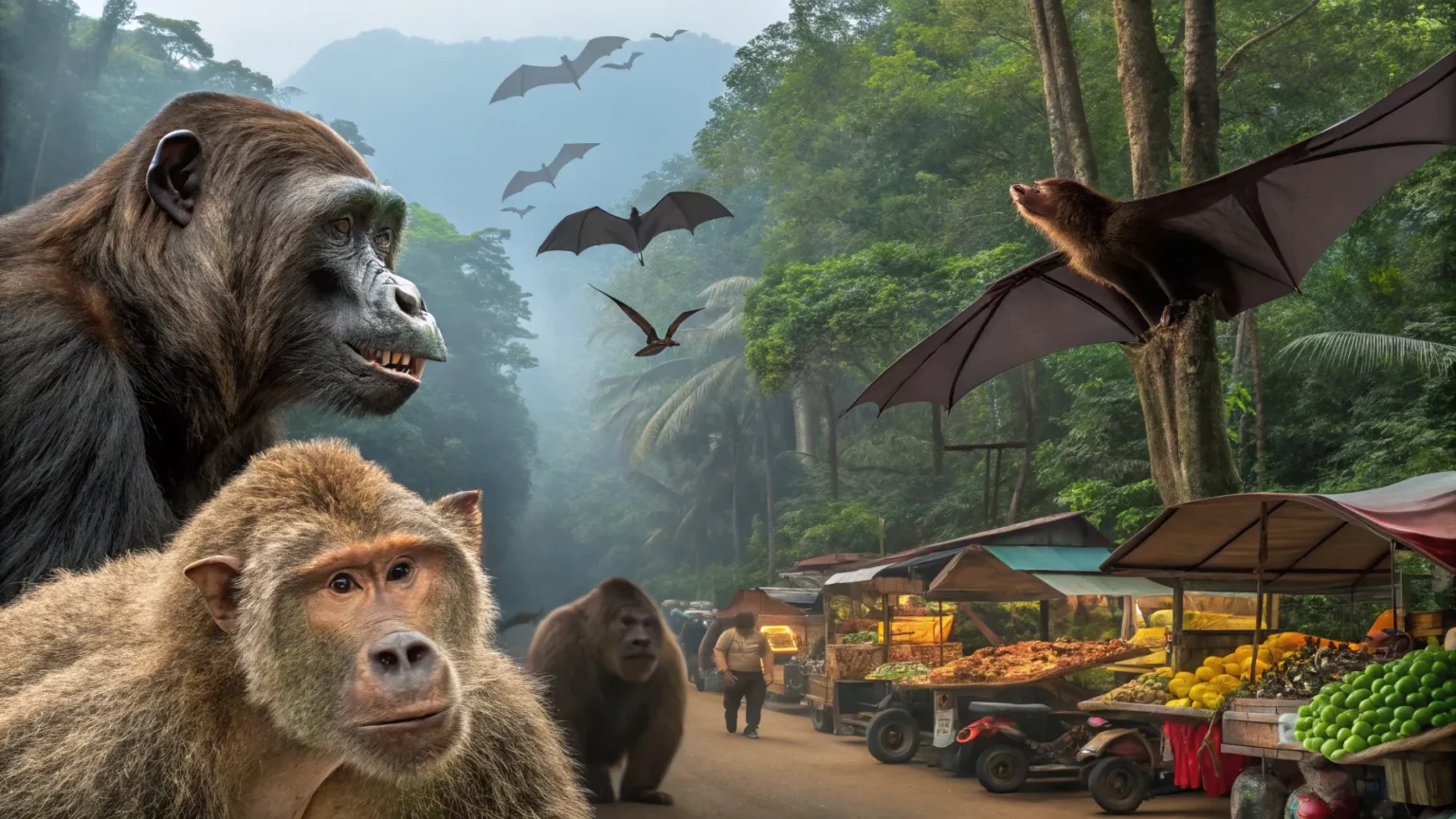
More than two in five mammal species traded by people share at least one pathogen with humans, a new analysis in Nature reports. The figure far exceeds the share among mammals not traded, raising fresh concerns about how global markets may fuel disease spillover. The finding lands as countries weigh laws on wildlife trade, public health, and biodiversity.
Key finding: “More than 40% of traded mammal species share at least one pathogen with humans, compared with only 6% of non-traded mammals.”
Background: A Long-Running Warning
Scientists have warned for years that close contact with wild animals increases the chance of zoonotic disease. Markets, farms, transport hubs, and online platforms bring together species that would never meet in nature. Stress and poor hygiene can heighten infection risk.
Global agencies estimate most new human infections originate in animals. The wildlife trade—legal and illegal—is one pathway. It moves animals across borders, often with limited screening. Past outbreaks, such as SARS in 2002-03, drew attention to the trade’s role in disease emergence. COVID-19 renewed scrutiny of how supply chains, markets, and habitat loss can raise risk.
What the Study Adds
The Nature analysis compares pathogen sharing between traded and non-traded mammals. It reveals a large gap: more than 40% versus 6%. The pattern suggests trade may act as a bridge for viruses, bacteria, and other microbes.
Researchers say several factors may drive this difference. Traded species are handled by many people. They are often kept in mixed groups. They travel long distances. Each step offers a chance for a pathogen to jump.
Not every traded species poses equal danger. Species that thrive near people, such as some rodents and primates, may carry higher risk. Carnivores and bats also draw attention from health officials due to known pathogen pools.
Industry and Conservation Stakes
The wildlife trade supports livelihoods, cultural practices, and, at times, conservation through regulated use. Industry groups argue that legal, monitored trade is safer than pushing demand into illegal channels. They call for better hygiene, health checks, and transport standards instead of sweeping bans.
Conservationists contend that enforcement gaps and mixed supply chains make strict controls necessary. They warn that laundering of wild-caught animals into “legal” markets remains a problem. Many also point to the twin crises of biodiversity loss and climate change, which push animals and people into closer contact.



Public Health Implications
Even a single spillover can trigger widespread damage. Public health experts urge a “One Health” approach that brings animal, human, and environmental health together.
- Improve surveillance along trade routes and at markets.
- Strengthen veterinary checks and disease reporting.
- Reduce high-risk trade, especially for live mammals.
- Support communities with safer, sustainable alternatives.
These steps aim to lower risk without ignoring social and economic realities. Experts also stress data gaps. Many wildlife pathogens remain unknown. Better sampling and transparent databases can guide smarter policy.
Policy Debates and Next Steps
Some countries tightened wildlife trade rules after 2020. Others focused on market hygiene and species-specific bans. Regional blocs have explored stronger customs checks and online sales oversight.
Critics say actions are uneven and narrow. They push for global standards that address the full supply chain. That includes capture, farming, transport, and retail. Supporters of regulated trade counter that targeted rules are more practical and reduce harm to lawful businesses.
The new Nature finding adds pressure for risk-based measures. It points to live mammal trade as a priority for screening and control. It also suggests the need for rapid pathogen testing and better labeling on origin and species.
What to Watch
Researchers will seek to identify which traded species and settings drive most of the risk. They will test interventions, from improved housing and handling to vaccination of susceptible animals. Governments may update import rules, expand inspections, and fund surveillance at known hotspots.
For the public, the message is simple: the way animals are sourced and sold can affect health far from the point of trade. Reducing risky contact and improving oversight could cut the odds of the next spillover event.
The Nature result draws a clear line between wildlife trade and pathogen sharing. As lawmakers and industry leaders set their agendas, the focus will be on targeted controls, better data, and support for safer livelihoods. The next phase will test whether policy can match the scale of the risk without unintended fallout for people and wildlife.