




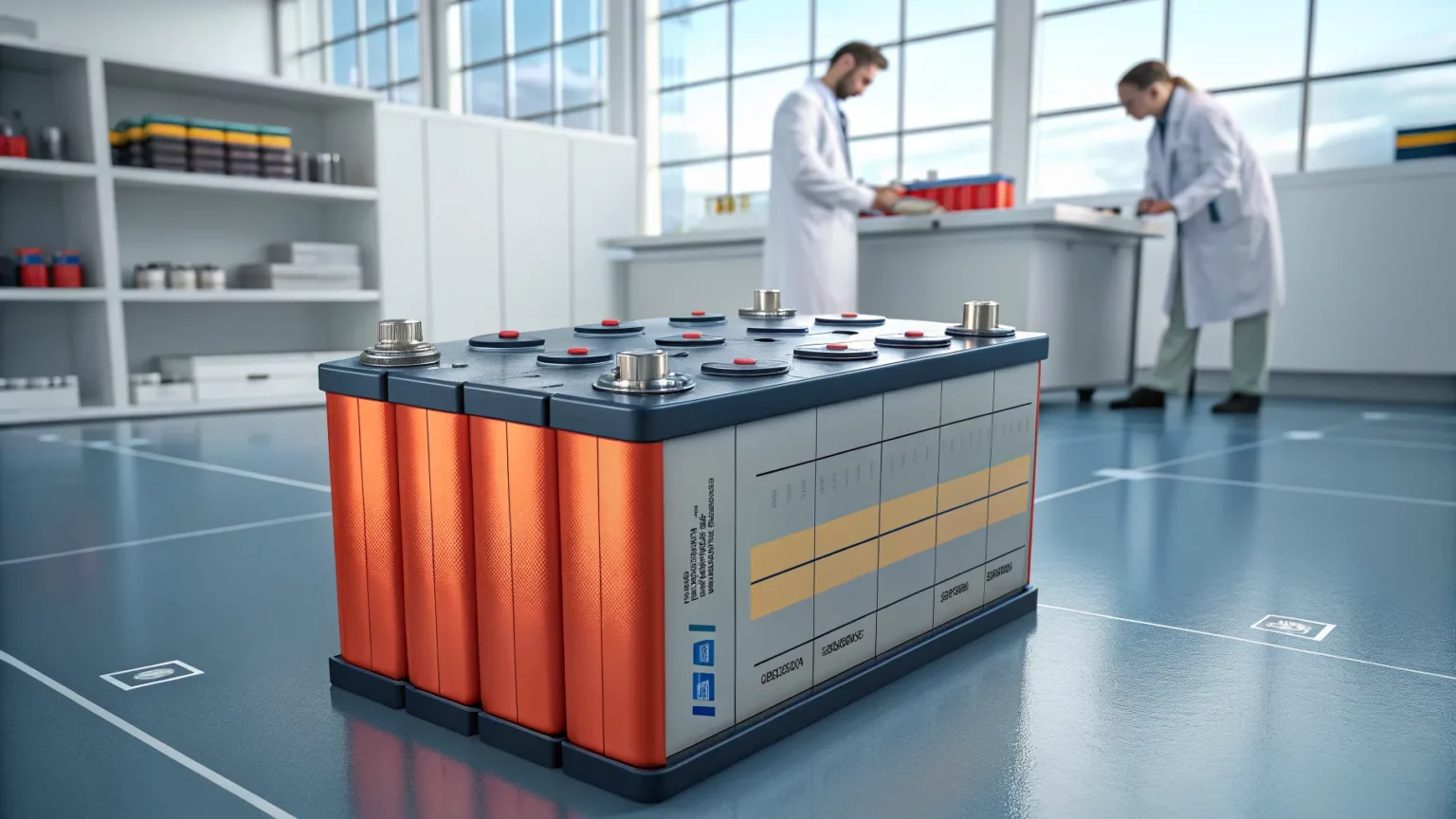
Researchers report that a new sodium-ion battery from China is performing better than expected, with factory quality and design on par with high-end electric vehicle cells. The finding, shared this week, signals a possible shift in the race to power cars and store renewable energy, if key engineering gaps can be closed.
The team says the cells could become a cheaper and more abundant option for electric vehicles and large grid systems. The catch is cold-weather charging and lower energy density. If those issues improve, the technology could enter mainstream use in the next wave of battery projects.
Why Sodium Is Back in the Spotlight
Lithium-ion batteries dominate cars and home storage. But lithium prices have swung in recent years, and mining is concentrated in a few regions. Sodium is far more common in the Earth’s crust and in seawater. It is also less expensive and easier to source at scale.
Sodium-ion chemistry is not new, but it has trailed lithium in energy per kilogram and in winter performance. Over the past few years, Chinese firms and research labs have poured resources into closing that gap. The latest test results suggest practical gains are now reaching production lines.
What the Researchers Found
“A Chinese sodium-ion battery performs far better than expected, with production quality and design features comparable to Tesla’s batteries,” the researchers said.
According to the team, workmanship inside the cells looked tight and consistent. They highlighted electrode design and safety features that mirror practices used in premium EV packs. That level of quality control has often set apart leading lithium producers.
The comparison to Tesla serves as a yardstick for manufacturing excellence. Matching that standard suggests sodium-ion production in China is maturing faster than many analysts assumed.
The Remaining Hurdles
“If engineers can improve cold-weather charging and energy density, sodium could become a cheaper and more abundant alternative to lithium,” the team added.
Cold conditions slow the movement of ions through the electrolyte and can trigger plating, which harms cells. EV owners in northern markets know quick charging can suffer in winter. Sodium cells face similar, and in some cases tougher, constraints today.
Energy density is the other key constraint. Lower density means heavier packs to deliver the same range. That can work for buses, delivery fleets, and city cars, but it is harder for long-range vehicles. Engineers are testing new cathode materials and electrolyte blends to lift capacity while keeping costs down.



Potential Impact on EVs and the Grid
If performance keeps improving, sodium-ion could reshape parts of the market. Entry-level EVs, short-haul fleets, and two- and three-wheelers could see earlier adoption. For the power sector, sodium’s lower cost and solid cycle life could fit large battery farms that smooth wind and solar output.
Analysts say a split market could emerge. High-density lithium cells would stay in long-range cars. Sodium could take price-sensitive segments and grid storage, where weight matters less than cost and safety. That mix could reduce pressure on lithium supply and help countries diversify sources.
Balanced View: Promise and Questions
Automakers will want proof on fast charging in freezing weather, warranty life, and safety under stress. Fleet buyers will ask about total cost of ownership and service networks. Utilities will look at multi-hour discharge, fire risk, and performance in heat and cold.
- Watch for winter road tests and independent tear-downs.
- Track pilot deployments in buses and delivery vans.
- Look for grid projects using multi-hour sodium storage.
Recycling and end-of-life handling also matter. Sodium cells may be simpler to process than lithium, but large-scale systems must still meet strict standards.
What Comes Next
Several milestones could signal momentum. Partnerships between Chinese cell makers and global automakers would show confidence. New chemistries that lift energy density, even modestly, could tip more models into feasibility. And stronger thermal management for winter charging will be key for cold regions.
For now, the message is clear. Quality manufacturing is no longer the main barrier. The science and engineering of cold-weather performance and energy density will decide how far sodium-ion can go.
If those advances arrive, expect early wins in cost-driven markets and utility storage. That shift could ease supply strains, lower prices, and speed the move to cleaner transport and power.