




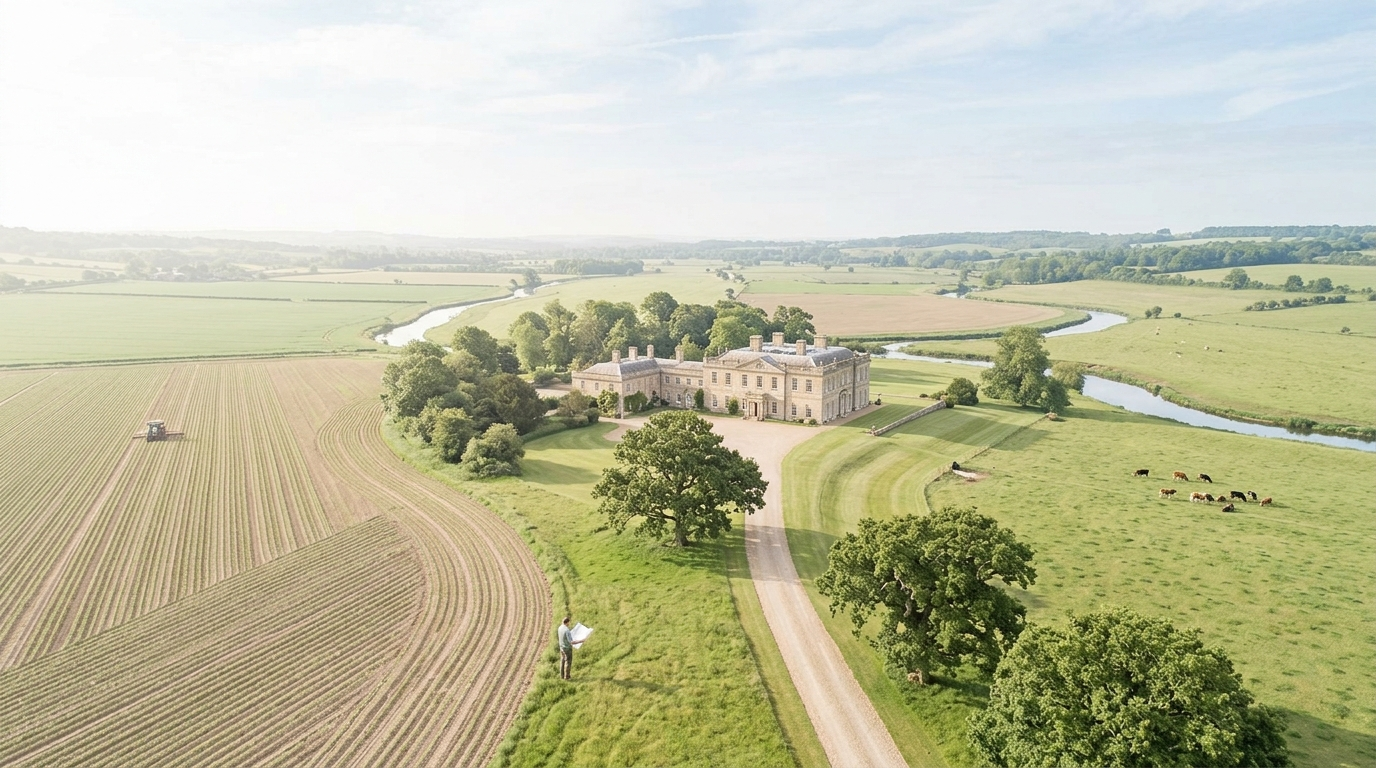
One of this century’s most prominent landowners has expanded his holdings with the purchase of an estate approaching its 200th anniversary.
The acquisition links modern wealth with a property built for an earlier age. Archival records suggest the home is so large that staff faced a lengthy trip between two essential rooms.
It can take “a brisk walk of 4½ minutes to reach the dining room from the kitchen,” according to archival information.
The available account does not identify the buyer, estate, location, price, or transaction date. Those missing details limit any firm assessment of the sale. However, the archival description offers a rare measure of the building’s scale and original operation.
A House Designed Around Staff
A 4½-minute walk from the kitchen to the dining room would have shaped daily work inside the estate. Meals needed careful timing, while servants likely depended on corridors and service areas hidden from formal rooms.
Large estates from the early 19th century often separated domestic work from family and social spaces. Kitchens were commonly placed away from dining rooms because of heat, smoke, smells, and fire risk.
The distance also reflected social divisions. Owners and guests occupied decorated reception rooms, while employees moved through less visible parts of the house.
Archival comments about travel time can reveal more than floor plans alone. They help explain how architecture governed labor, privacy, and status.
Historic Ownership Brings High Costs
Purchasing a historic estate is only the first expense. Older houses can require major spending on roofs, stonework, windows, heating, drainage, and electrical systems.



Owners may also face preservation rules that restrict alterations. Those protections can safeguard original features, but they may make repairs slower and more expensive.
Key issues surrounding a property of this age can include:
- Maintenance of historic interiors and exterior masonry
- Modern fire, security, and energy standards
- Staffing and operating costs across a large site
- Public access or conservation duties, where applicable
Supporters of private ownership argue that wealthy buyers can fund repairs that public agencies or charities cannot afford. They may also protect surrounding land from subdivision or intensive development.
Critics often question whether major estates should remain concentrated in private hands. Concerns can include limited public access, local housing pressure, and the influence that large owners hold over rural economies.
Questions Remain About the Purchase
Further records will be needed to establish the estate’s identity, sale price, acreage, and intended use. It is also unclear whether the property will remain a private residence or gain a commercial role.
Plans for restoration will be closely watched. Changes to a nearly 200-year-old building could affect its historic character, local employment, and long-term operating costs.
The sale shows why historic estates remain attractive to major landowners. They offer privacy, land, architectural status, and a direct link to social history. Yet they also carry significant obligations.
The next important developments will be the release of ownership records and any planning applications. Those documents should show whether the acquisition becomes a preservation project, a private retreat, or part of a wider land strategy.