




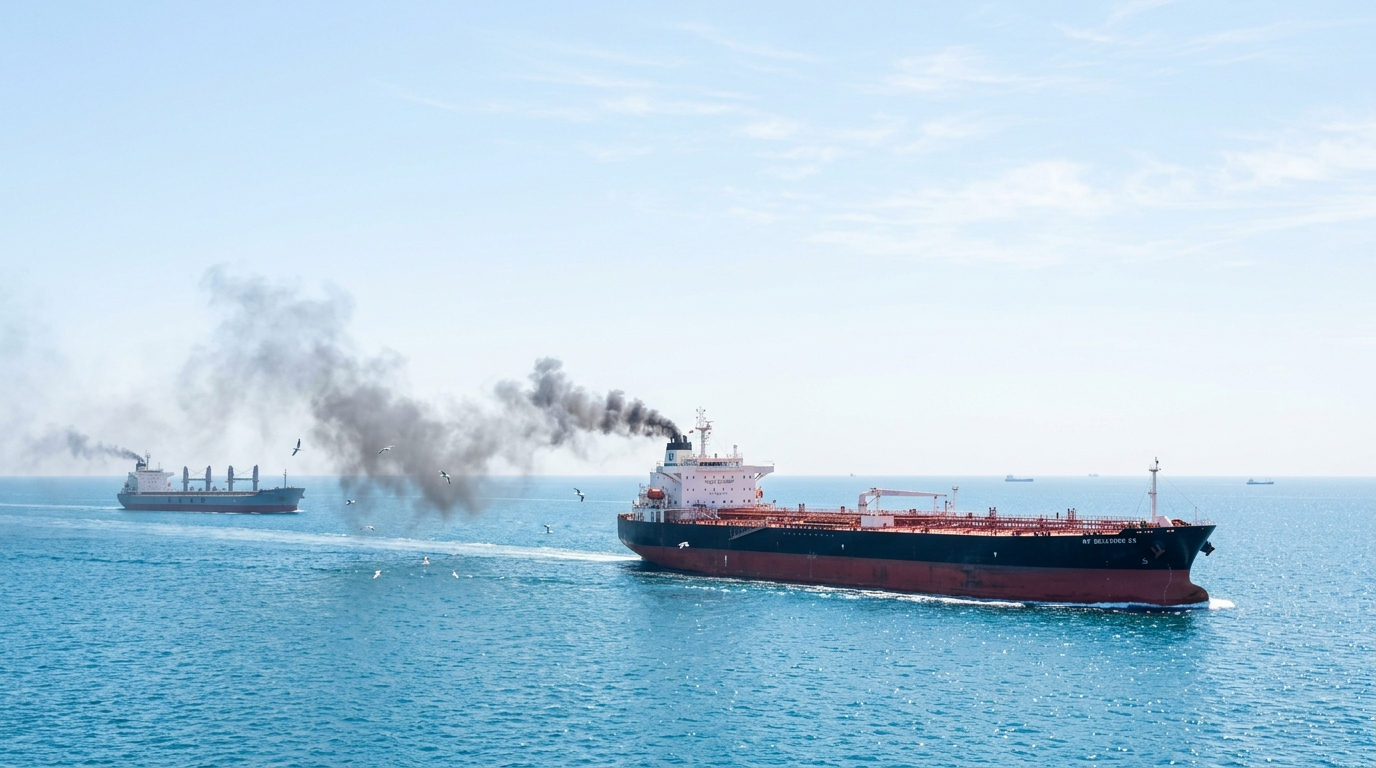
Shipowners including Sinokor Group are helping redirect Saudi Arabian crude through the northern Red Sea as Iran-backed militants threaten exports near its southern entrance.
The route reduces exposure to the Bab el Mandeb chokepoint, where attacks have raised security concerns for commercial shipping. The shift also shows how vessel operators are changing trade patterns to protect cargo, crews and ships.
Threats Reshape Saudi Export Routes
Saudi Arabia borders the Red Sea and the Persian Gulf, giving it access to more than one export corridor. Its Red Sea terminals are important alternatives to ports east of the Arabian Peninsula.
However, vessels leaving the Red Sea through Bab el Mandeb must pass close to Yemen. Iran-backed militants have targeted shipping in the area, increasing the risks faced by tankers carrying Saudi crude.
Shipowners are now supporting a safer northern exit. This route sends crude away from Bab el Mandeb and toward the Suez corridor, rather than through the southern chokepoint.
Sinokor Group is among the shipowners involved. The participation of commercial vessel operators matters because route changes depend on ship availability, charter terms and insurers’ willingness to cover each voyage.
Why Bab el Mandeb Matters
Bab el Mandeb links the Red Sea with the Gulf of Aden and the Arabian Sea. It is one of the main maritime gateways connecting Europe, Asia and Middle Eastern energy producers.
A security disruption there can affect several markets at once. Tankers may face delays, higher insurance costs or pressure to use longer routes. Shipping companies must also assess whether naval protection and onboard security measures provide enough protection.



The northern option changes those calculations. It can limit a tanker’s exposure to the conflict area, but it may introduce other operating constraints. These can include canal access, vessel-size limits, transit schedules and added fees.
- Saudi exporters gain another way to move Red Sea crude.
- Shipowners reduce exposure to attacks near Yemen.
- Buyers may face different delivery times and freight costs.
- Insurers may adjust premiums based on the selected route.
Costs Shift Across the Oil Trade
The safer route does not remove risk from the supply chain. Instead, it transfers some pressure from physical security to logistics and cost management.
Charterers may pay more for vessels suited to the northern passage. Canal charges and scheduling limits may also affect voyage economics. Yet those expenses can be easier to predict than the financial and human consequences of an attack.
For Saudi Arabia, flexible export routes can help maintain reliable deliveries during regional instability. That reliability is important to refiners, which plan crude purchases around arrival dates and specific grades.
For shipowners, the decision is also commercial. Companies must weigh freight income against danger to crews, possible vessel damage and insurance restrictions. Some may accept higher-risk voyages if rates rise, while others may avoid the southern Red Sea.
Security Will Guide Future Decisions
The duration of the route shift will depend on militant activity near Bab el Mandeb and the shipping industry’s assessment of the threat. A sustained campaign could make northern movements a more common feature of Saudi crude exports.
Any easing of attacks could restore traffic through the southern entrance. Even then, shipowners and insurers may require evidence of lasting improvement before returning to earlier operating patterns.
For now, Sinokor Group’s involvement shows that commercial fleets are adapting to protect Saudi oil flows. The next signs to watch are freight rates, insurance terms and further route changes by major tanker operators.
The broader result is clear: security in a narrow waterway can quickly reshape energy trade. Saudi Arabia’s access to alternate corridors offers protection, but each diversion carries costs that may eventually reach refiners and fuel markets.