




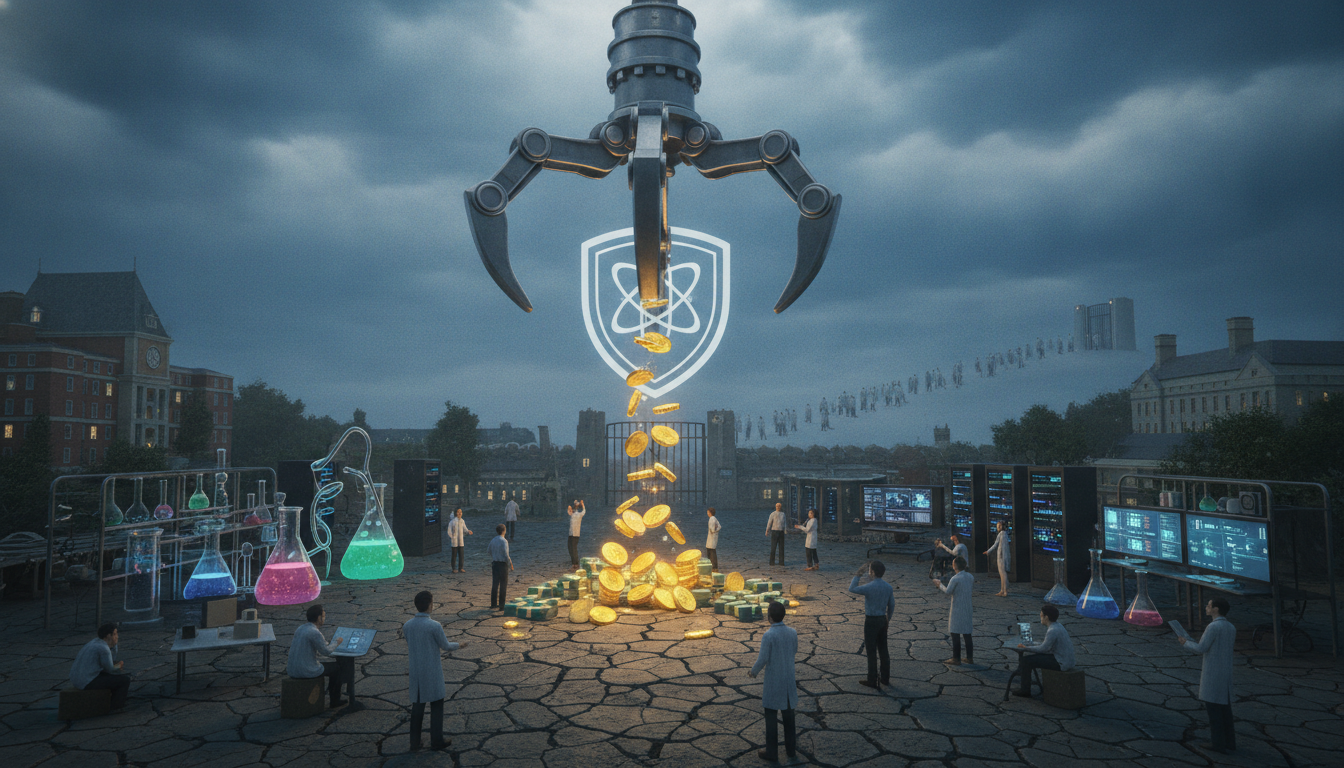
A leading US science-funding agency is considering reclaiming research money that has already been distributed, a step that could ripple through labs nationwide. The move, reported as the agency confronts a tight budget and a queue of pending proposals, raises urgent questions for researchers, universities, and students who rely on steady support to keep projects running.
The plan comes amid pressure to stretch limited dollars further this fiscal year. It lands as the agency works through a backlog of grant applications that have slowed decisions and delayed timelines for new awards. The combination of a clawback and administrative delays could force institutions to pause hiring, scale back experiments, or seek bridge funding from other sources.
Budget Pressures and a Growing Backlog
The warning signs have been building for months. Federal science budgets have faced tighter caps, while inflation pushes up the cost of staff, equipment, and supplies. That mismatch strains agencies that fund basic and applied research across universities and labs.
In a brief statement circulating among researchers, the situation was described this way:
“A proposed clawback of already distributed research funds comes as the US agency’s budget is already squeezed and it struggling to clear a backlog of grant applications.”
Clawbacks are unusual and disruptive. Most grants are legally committed once awarded, with funds planned across milestones and staffing. Pulling money back midstream can jeopardize active experiments, fieldwork, and multi-year collaborations that depend on predictable support.
What a Clawback Would Mean on the Ground
Universities often build multi-year budgets around federal grants. A sudden reversal would force tough choices. Labs could freeze hiring, reduce hours, or cancel equipment purchases. Early-career researchers may face the sharpest impact, as postdocs and graduate students depend on consistent funding to finish degrees and publish.
Institutions might try to fill gaps with internal reserves, philanthropy, or state funds. But those options are uneven across campuses and cannot fully replace federal dollars. International collaborations could also feel strain if US partners must pause travel or data collection.
- Active projects could face delayed timelines or reduced scope.
- Student support and training opportunities might shrink.
- Matching or cost-sharing commitments may need to be renegotiated.
Legal and Administrative Hurdles
Reclaiming funds that have already been obligated can involve complex rules. Contracts and grant terms vary, and clawbacks may depend on specific clauses. Some funds may already be spent on salaries or nonrefundable purchases, which complicates recovery.



The backlog in grant reviews adds another layer. Staff already working to process delayed applications could be diverted to manage compliance questions, audits, and amendments tied to any clawback. That would further slow new awards, compounding the strain on the research pipeline.
Balancing Accountability and Continuity
Supporters of tighter controls say that clawbacks, used carefully, can redirect funds to the most urgent needs or fix past over-allocations. They argue that maintaining fiscal discipline protects taxpayers and the credibility of the grant system.
Critics warn that the damage to ongoing research could outweigh the savings. They point to the wide range of downstream effects, including lost data, missed field seasons, and interruptions in clinical or community studies. For many projects, timing matters as much as dollars.
What to Watch Next
Key questions remain. How large would any clawback be, and which grants would be affected? Would the agency offer waivers for projects that have already met milestones or cannot scale back without losing years of work? Universities will also press for clear guidance and timelines to plan responsibly.
To reduce harm, agencies and campuses could explore targeted options: phased reductions, reprogramming unspent balances, or temporary bridge mechanisms. Transparent criteria and early communication would help labs manage staffing and procurement decisions.
The reported proposal, first highlighted by Nature, signals a stressful period ahead for US research. Whether the agency pulls back funds or finds relief through reallocations, the decisions made in the coming weeks will shape project schedules, career paths, and scientific momentum into next year.
For researchers, the immediate task is contingency planning. For policymakers, the challenge is to match scientific goals with stable funding and timely reviews. Watch for formal guidance from the agency, new budget negotiations in Congress, and whether the grants backlog begins to clear.