




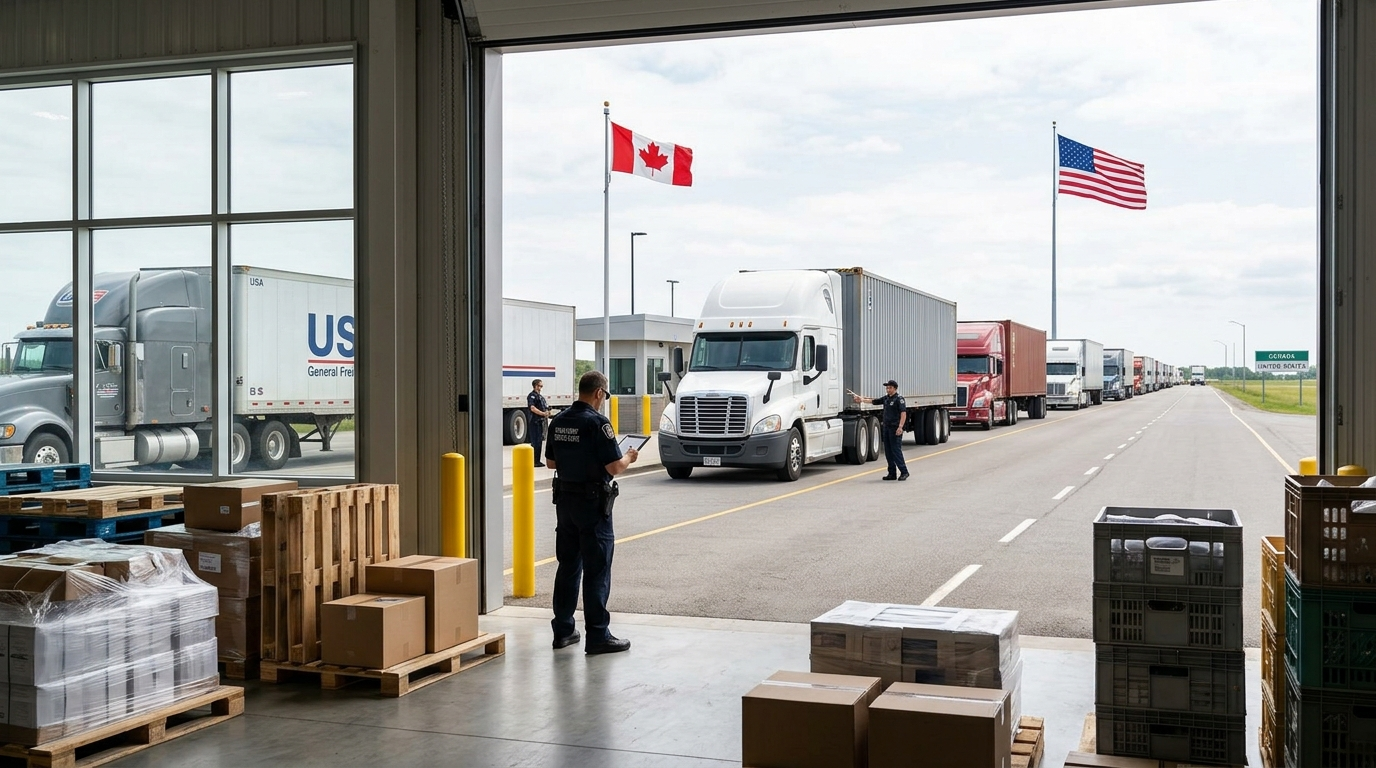
Canadian countertariffs on $20 billion worth of U.S. imports took effect Tuesday, raising pressure on companies with deep ties across the border.
The measures mark a new stage in the trade dispute between Canada and the United States. They target a large volume of American goods entering Canada. However, details about tariff rates and affected products were not provided.
Bombardier responded by stressing the value of its relationships with American companies. The Canadian aircraft manufacturer’s position shows the challenge facing firms that depend on suppliers, customers and partners in both countries.
A Large Trade Measure Takes Effect
Countertariffs are duties imposed in response to another country’s trade action. They can serve as political leverage, but they also raise costs for importers. Those costs may then reach businesses and consumers.
The $20 billion figure refers to the value of U.S. imports covered by Canada’s measures. It does not represent the amount of tariff revenue that Canada will collect.
The practical effect will depend on several factors:
- The tariff rates applied to individual goods
- The ability of Canadian buyers to find other suppliers
- Whether importers absorb costs or increase prices
- The length of time the measures remain in force
Some Canadian producers could gain if buyers replace American imports with domestic goods. Other companies could face higher expenses if they rely on U.S. materials, machinery or specialized parts.
Bombardier Stresses Cross-Border Partnerships
Bombardier said it valued its partnership with American companies. The statement avoided direct criticism while drawing attention to the integrated nature of North American manufacturing.



Bombardier valued its partnership with American companies.
Aircraft production often involves long supply chains and strict certification requirements. That can make it difficult to replace a supplier quickly. Trade barriers may therefore create added costs even when finished products are not directly targeted.
Bombardier’s measured response also reflects a wider business concern. Companies may support their home government’s policy goals while warning against damage to commercial relationships.
Businesses Face Cost and Planning Risks
The immediate burden falls on Canadian importers responsible for paying duties at the border. Their choices will shape the wider economic impact.
Businesses may seek exemptions, switch suppliers, delay purchases or renegotiate contracts. Each option carries costs. Smaller firms may have fewer alternatives than large corporations with international sourcing networks.
Consumers could also see price increases if affected goods cannot be replaced easily. The size and timing of those increases will depend on existing inventories and competitive pressure.
The next key issue is whether the tariffs lead to negotiations or further retaliation. A quick settlement could limit disruption. A prolonged dispute could influence investment, hiring and supply decisions on both sides of the border.
Canada’s action sends a firm political message, but Bombardier’s response highlights the economic stakes. Governments will now face pressure to defend national interests without weakening business relationships built across one of the world’s busiest trading borders.