





Nvidia and a group of technology firms have launched the Open Secure AI Alliance, aiming to position open AI models as a new line of cyber defense. The announcement follows a recent breach at Hugging Face, a popular hub for AI models and datasets, which renewed concern about supply chain risks in machine learning. The move signals a coordinated industry effort to shape how open tools are built, shared, and secured.
The alliance, described as including dozens of companies, plans to advocate for shared standards and rapid response practices. It seeks to improve how the sector detects, reports, and fixes risks in open model ecosystems. The timing points to growing urgency among AI builders, cloud providers, and security teams.
Why Now: The Security Wake-Up Call
Hugging Face has become a core platform for developers who rely on community models and reusable code. A recent breach exposed how widely used infrastructure can be a high-value target. While details continue to be assessed, the event highlighted gaps in model provenance, credential handling, and dependency security.
Open models and open repositories help researchers and companies move fast. They also expand the attack surface. Adversaries may poison datasets, alter weights, or slip malicious code into pipelines. The alliance appears designed to close those gaps without cutting off open collaboration.
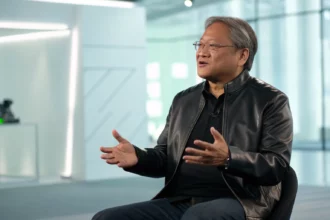
Nvidia and dozens of tech firms form the Open Secure AI Alliance to advocate for open AI models as cyber defense tools after Hugging Face breach.
What the Alliance Seeks to Change
The early message centers on three goals: shared guardrails, faster incident response, and practical tools that can be adopted across the industry.
- Shared guardrails: baseline checks for model release, dataset hygiene, and dependency trust.
- Incident playbooks: clear paths to report, triage, and patch issues in public model hubs.
- Operational tooling: signed artifacts, reproducible builds, and integrity checks by default.
Supporters argue open models can help defenders spot threats faster. They point to community review, red-teaming, and model inspection as advantages over closed systems. If widely adopted, these steps could reduce the window between discovery and fix.
Competing Views on Open Security
Not everyone agrees that more openness always helps. Some experts warn that releasing powerful models may aid attackers. Others say secrecy hides flaws until they are exploited at scale. The debate is not new. Security teams have argued for years over disclosure timing and tool release policies.
Backers of the alliance frame openness as a way to raise the cost for attackers. With shared telemetry and transparent fixes, defenders can coordinate better. Skeptics worry about dual use, especially where models can automate phishing, malware, or deepfake content.


Lessons From Prior Incidents
Past software supply chain incidents, including package manager attacks and code signing failures, show how shared infrastructure can spread risk. AI stacks add new layers. Model cards, dataset versions, training scripts, and fine-tuning workflows all introduce entry points. The Hugging Face breach put focus on authentication, token scope, and monitoring across that stack.
The alliance appears to be borrowing from proven playbooks in traditional software security. Sign what you ship. Verify what you run. Limit blast radius when something fails. These ideas fit AI development, but they require stores, tools, and teams to align.
What Success Could Look Like
If the group gains traction, model hubs may adopt stronger default checks. Developers could see clearer signals of trust, like signed weights and verified datasets. Incident reports might reach users faster, with patches and guidance delivered in hours rather than days.
Enterprises will still need layered defenses. Open models can help detect malicious behavior in logs, code, and traffic. They can also help audit other models for drift or manipulation. Yet policy, training, and access controls will remain essential.
What to Watch Next
Key questions remain. Which firms will join publicly, and how will decisions be made. Will the alliance publish open standards that hubs and vendors adopt. Can it balance fast release with careful review. Clear answers will shape trust in open AI security.
The launch sets a marker after the Hugging Face breach. It urges the sector to treat open AI like critical infrastructure, with shared duty to secure it. The coming months will show if this alliance can turn intent into practice, and if open models can strengthen, not strain, cyber defense.