




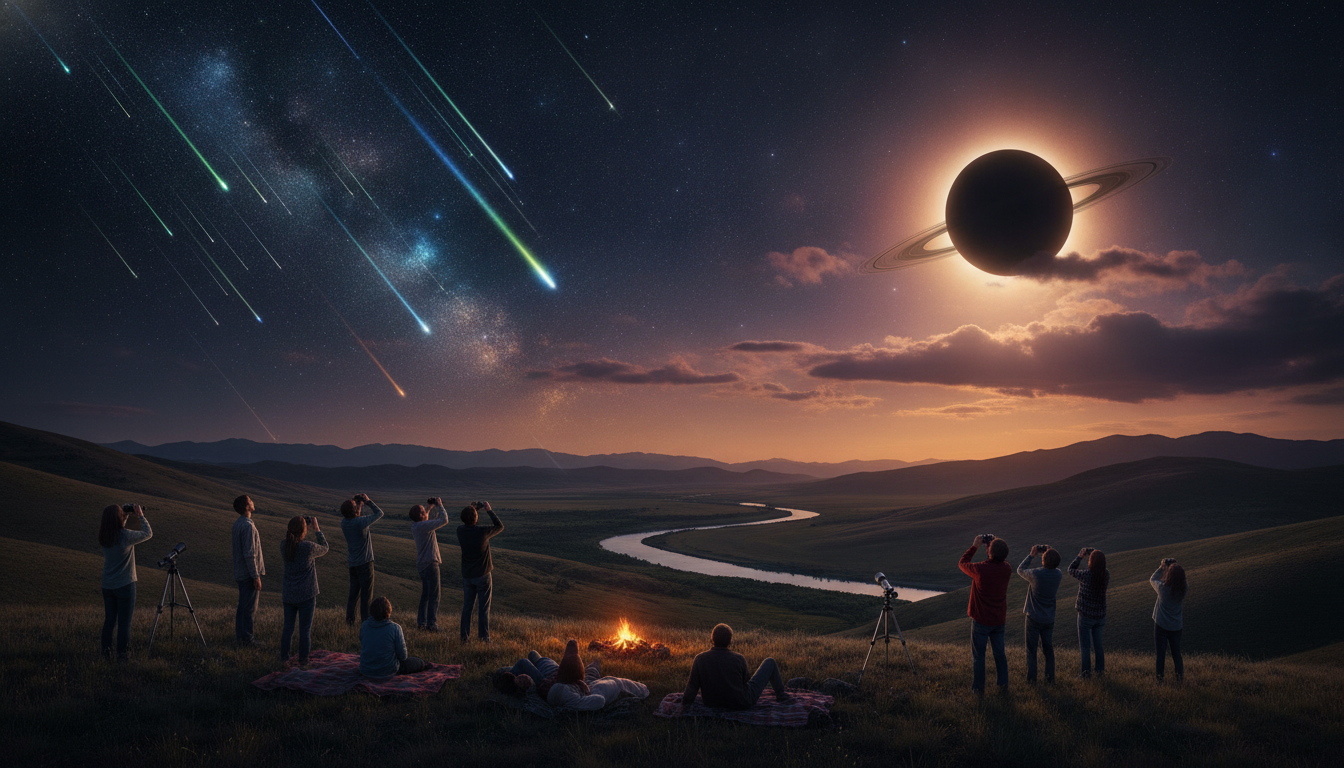
On August 12, skywatchers will look up for a rare double feature in the night sky, drawing interest from casual fans and seasoned observers alike. The date is expected to bring two headline events and a surge of public attention as viewers plan watch parties, check forecasts, and weigh the best places to see the show.
The first event is the mid-August meteor activity that consistently delivers fast streaks of light. The second is a separate, high-visibility sky moment that will share the calendar and likely the headlines. Organizers, clubs, and local parks report growing enthusiasm as communities prepare for a busy summer night.
“Two big skywatching events are happening on Aug. 12. Will you have your eyes turned skyward? Let us know in our latest poll.”
Why Mid-August Draws Crowds
Mid-August has long been prime time for meteors. The shower active each year around this period is known for bright, fast trails and a steady rate that can impress even in suburban skies. Many viewers plan trips to darker locations to reduce glare from city lights. Others make do with backyards and local parks when travel is not possible.
A clear night can turn the experience into a community event. Scout troops, libraries, and astronomy clubs often organize gatherings, sharing advice on when to look and how to stay comfortable for hours outdoors. The best viewing typically comes after midnight, when the radiant climbs higher and rates often improve.
How To See More With Simple Prep
Experts recommend a few basic steps for a better view. You do not need a telescope for meteors. Patience, darkness, and time are the key tools.
- Find a site with wide-open sky and minimal light pollution.
- Allow 20 to 30 minutes for eyes to adjust to the dark.
- Bring a reclining chair, warm layers, and water for a long watch.
- Check local forecasts and smoke advisories before heading out.
The second August 12 event will be best seen at a specific hour, so timing matters. Skywatching groups advise checking reliable star charts or apps on the day of the event. A small pair of binoculars can help with bright planets or a tight grouping, but is not required for meteors.
What Makes This Year Different
Two events on the same night can change viewing choices. Some will prioritize the meteor peak and stay out late. Others may target the timed event and head home. A few will try to see both, planning a schedule that covers the early evening window and the after-midnight hours.
Light pollution remains a growing concern. The International Dark-Sky Association estimates that a large share of people in North America live under skyglow. That can cut the number of meteors seen in cities. Still, the brighter streaks often break through, and many viewers report satisfying counts from suburban edges or beach fronts.


Communities and Tourism Gear Up
Tourism offices in rural areas often see a late-summer bump when the sky puts on a show. Campgrounds and short-term rentals near dark locations can book out early for peak nights. Park rangers expect higher traffic on trails and lookouts, and they urge visitors to pack out trash and respect quiet hours.
Local astronomy clubs plan pop-up events with red lights to protect night vision. Some libraries loan binoculars and share sky maps. City parks extend hours for stargazing at a few lawns and fields. Volunteers remind visitors to use dim lights and avoid phone screens, which can spoil dark adaptation.
What Viewers Can Expect
Rates for meteors vary by hour and by sky quality. Under a dark sky, dedicated watchers often count many dozen over a long session. In towns, the number can drop, but bright fireballs still draw cheers. The second August 12 event should add a focused highlight and a reason for families to step outside earlier in the evening.
With interest rising, polls and social media are tracking plans. Many intend to watch from home. Others will drive an hour or more in search of a darker horizon. Parents say the timing near the end of summer vacation makes it easier to keep kids up late.
The takeaway is simple. August 12 offers a chance to look up and share a moment. Clear skies will decide how much people see, but preparation will help either way. Viewers should watch forecasts, choose safe locations, and plan for late hours.
If clouds spoil the view, the meteor shower is active for several nights around the peak. The second event is time specific, but observers can look for similar planetary groupings in the coming weeks. The next few nights may still reward patient eyes with streaks and bright points of light.
As communities count down, interest remains strong. The night could be a highlight of the summer for sky fans. Watch for late updates, local viewing tips, and results from audience polls on how many took part and what they saw.